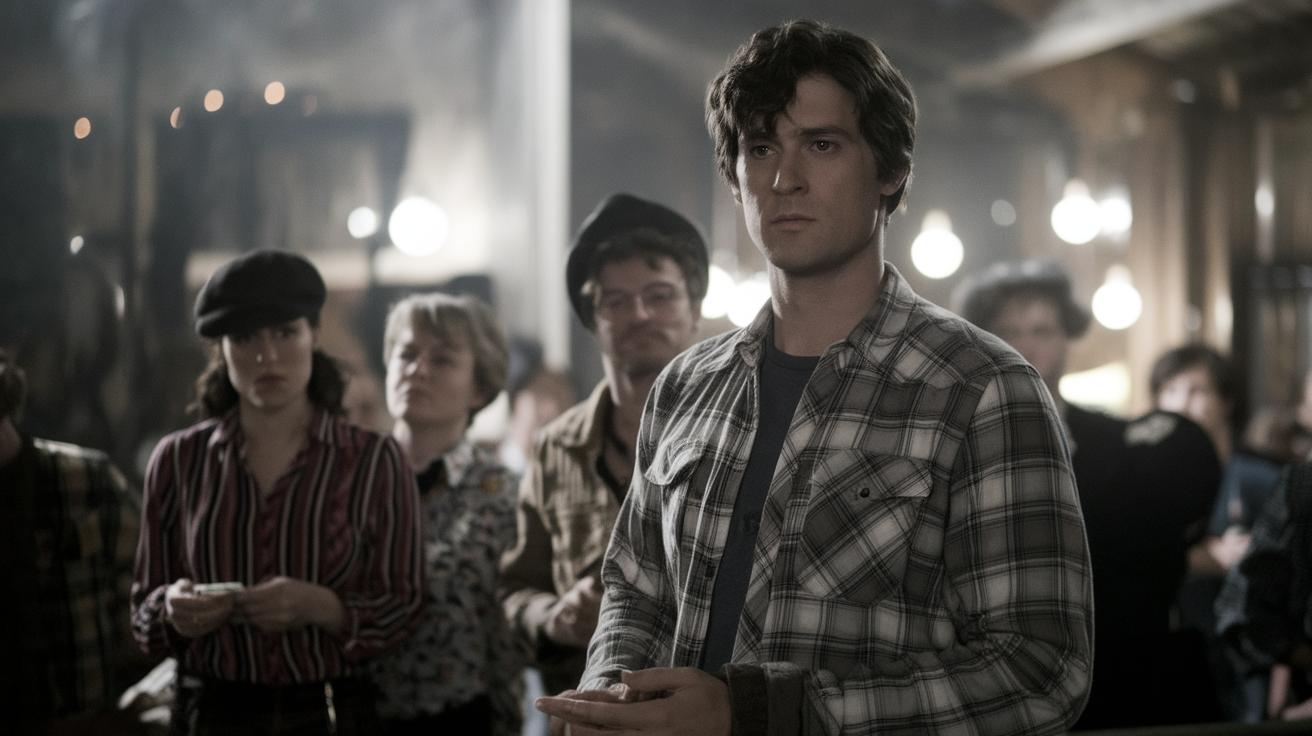
The Undeniable Significance of Film Soundtracks: More Than Just a Melody
Film soundtracks have a profound impact on the movie-going experience, serving as an essential complement to the visual storytelling of a film. From originating as simple piano accompaniments during the silent film era, soundtracks have evolved into complex compositions that enhance emotions, bridge narrative gaps, and stay etched in public memory long after the credits roll. Musicians recognize the value soundtracks provide as both learning tools and profound influences on their craft. This blog post explores the mesmerizing power of film music, reasons why musicians should engage with it, notable examples worth exploring, and address common questions regarding soundtracks’ roles and creators.
Table of Contents
-
Origins of Movie Soundtracks
-
The Emotional Weight of Movie Soundtracks
-
How Movie Soundtracks Hold a Film Together
-
Why Musicians Should Learn To Play Movie Soundtracks
-
Examples of the Best Movie Soundtracks To Learn Using Sheet Music
-
The Best Movie Soundtracks Are More Than Background Music
-
Frequently Asked Questions
Origins of Movie Soundtracks
In the silent film era, music was often performed live alongside screenings to complement the visual action on screen. Pianos, organs, and sometimes whole orchestras were employed to bring a sense of dynamic narrative to the films. This era laid the foundation for the sophisticated scores that we recognize in cinema today.
As technology advanced, synchronized sound became a staple of movies, leading to the rise of original scores composed specifically for films. Pioneering composers like Max Steiner and Bernard Herrmann set the stage, crafting scores that integrated with the film and enriched storytelling through music.
The Emotional Weight of Movie Soundtracks
Film soundtracks possess the power to evoke strong emotions, setting the tone and mood of a scene or the entire film. They can amplify the tension in a suspenseful moment, highlight the romance of a love scene, or underpin the despair in a tragedy. These auditory elements allow viewers to feel more deeply connected to the characters and the story they unfold.
Beyond enhancing a film’s mood, soundtracks often develop a life of their own. Iconic themes such as John Williams’ ‘Star Wars’ or Hans Zimmer’s ‘Inception’ resonate with audiences, becoming synonymous with the films they accompany and stirring memories and emotions tied to the cinematic experience.
How Movie Soundtracks Hold a Film Together
Soundtracks serve as the cohesive thread that interweaves various elements of a movie, linking different scenes and enhancing transitions. A well-crafted score ensures that the storytelling does not falter, maintaining the film’s narrative arc even when visuals shift from tranquility to chaos.
Soundtracks also operate as narrative tools. In some instances, motifs or recurring themes associated with certain characters or ideas remind viewers of relationships and tensions, providing subtle clues as to what might unfold in the storyline.
Why Musicians Should Learn To Play Movie Soundtracks
Learning to play movie soundtracks can greatly enhance a musician’s understanding of composition and emotional nuance. These pieces often demand a range of skills, including dynamic control, technical precision, and emotive expression, making them ideal for improving musicianship.
Moreover, movie soundtracks often draw upon diverse musical traditions and structures, thereby exposing musicians to a variety of genres and styles. This versatility not only broadens a musician’s repertoire but also fosters a deeper appreciation for the art of scoring.
Examples of the Best Movie Soundtracks To Learn Using Sheet Music
John Williams’ ‘Star Wars’ suite presents a challenging yet rewarding endeavor for musicians looking to engage with complex orchestrations and memorable melodies. Beginners and advanced players alike will find value in mastering these pieces.
Hans Zimmer’s work on ‘The Lion King’ combines ethnic influences with orchestral grandeur, providing a rich tapestry of sound that is both accessible and profound for those aspiring to explore an array of musical techniques.
The Best Movie Soundtracks Are More Than Background Music
While movie soundtracks indeed serve as supportive background music, the best scores elevate and complement the entire storytelling process. Far from being passive, they are interactive, engaging audiences through melody and tempo, crafting an immersive cinematic experience.
Often, soundtracks inspire cultural phenomena, entering public consciousness and becoming integral to a film’s legacy. Themes from films like ‘Jurassic Park’ and ‘The Godfather’ persist in popular culture, demonstrating the enduring power of an exceptional movie score.
Frequently Asked Questions
What Are the Top 10 Soundtracks?
The top soundtracks often cited include ‘The Lion King,’ ‘Star Wars,’ ‘The Godfather,’ ‘Titanic,’ ‘The Lord of the Rings,’ ‘Pulp Fiction,’ ‘Forrest Gump,’ ‘Inception,’ ‘Jaws,’ and ‘Back to the Future.’
What Are the Top 10 Selling Soundtracks of All Time?
Some of the best-selling soundtracks include ‘The Bodyguard,’ ‘Saturday Night Fever,’ ‘Grease,’ ‘Titanic,’ ‘The Lion King,’ ‘Dirty Dancing,’ ‘Forrest Gump,’ ‘Purple Rain,’ ‘Flashdance,’ and ‘Footloose.’
What Movie Has the Most Iconic Soundtrack?
While subjective, many consider ‘Star Wars’ to hold the title for the most iconic soundtrack, with its long-lasting impact on both film music and popular culture.
What Is the Most Played Movie Song?
The song “My Heart Will Go On” from ‘Titanic’ is one of the most played and recognized movie songs worldwide.
What Is the Most Used Song in Movies and Television?
A frequently used song is “Hallelujah” by Leonard Cohen, which has appeared in numerous films and TV series.
Who Is the Most Successful Film Composer of All Time?
John Williams is often considered the most successful film composer, known for scoring some of the most iconic films in cinema history.
What Type of Schooling Is Needed To Become a Film Composer?
Aspiring film composers typically study music composition, theory, and orchestration, often pursuing a degree in music or film scoring from an esteemed institution.
Do Composers Get Royalties?
Yes, composers are entitled to royalties from the use of their music, including performance rights, mechanical rights, and synchronization fees.
How Do I Get Into Film Music?
Breaking into film music involves building a strong portfolio, networking within the film and music industry, and gaining experience through smaller projects or collaborations.
More Blog Posts Related to Movie Soundtracks
Explore our blog for more articles on music in film, composer interviews, and reviews of new and classic soundtracks.
| Topic | Description |
|---|---|
| Origins of Movie Soundtracks | Explores the evolution from silent era accompaniments to modern orchestral scores. |
| The Emotional Weight | Discusses the power of soundtracks to evoke emotions and enhance storytelling. |
| Structure and Cohesion | Describes how soundtracks weave together a film’s narrative and visuals. |
| Musician Engagement | Highlights learning benefits for musicians engaging with film compositions. |
| Iconic Soundtracks | Lists examples of significant soundtracks and their contributions to music. |
| Beyond Background Music | Explores how exceptional soundtracks transcend mere background roles. |