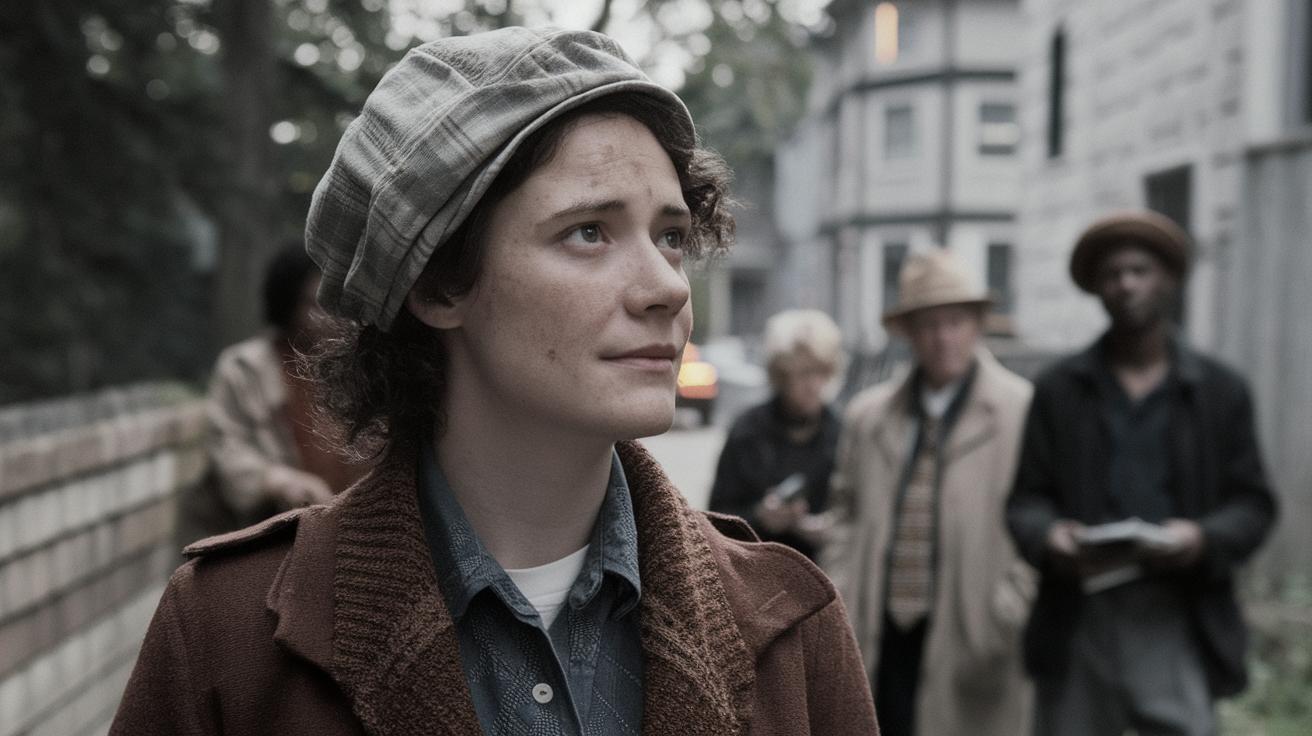
How to Adapt a True Story for the Screen
Adapting a true story for the screen poses unique challenges and opportunities. This comprehensive guide will explore the necessary steps and creative processes involved in transforming real-life events into compelling cinematic narratives. From balancing fact and fiction, learning from acclaimed filmmakers, and navigating industry rules to personal story adaptation and collaboration with producers, this post covers all essential aspects. Whether you’re a seasoned screenwriter or a budding playwright, understanding these core elements will enhance the authenticity and appeal of your adaptation.
Page to Picture: Fact Meets Fiction
Transforming a true story from page to picture involves blending fact with fiction to create a cinematic narrative that remains true to the essence of the actual events while also catering to audience engagement. This intricate dance between authenticity and entertainment is at the heart of every successful adaptation.
Writers must make critical decisions about which elements of the true story to highlight, embellish, or even alter. This responsibility requires a deep understanding of the source material and a keen awareness of its potential impact. Selecting which characters and events to foreground can significantly influence the story’s reception.
Writing a True Story
Writing a true story involves a deep understanding of the original events and a willingness to find new ways to convey those moments with emotional and visual depth. The task is not only to retell history but to interpret its significance in a visually compelling manner.
Adapting real-life events necessitates a responsibility towards the actual people involved. This responsibility includes crafting authentic portrayals while providing privacy and respect for those who have lived through the events. Acquiring rights and permissions is often a complex, yet critical, part of this process.
Learn more tips in Script University’s online course, How to Write Based on a True Story
Script University offers an enlightening online course focusing on the nuances of adapting true stories for the screen. This course provides strategic insights into creating compelling narratives that captivate audiences while remaining respectful to the authentic story.
Participants delve into techniques for developing characters based on real-life figures and how to construct plots that balance factual accuracy with dramatic tension. This course is invaluable for writers seeking to enhance their skills in this specialized area of screenwriting.
Tarantino’s Revisionist History
Quentin Tarantino is renowned for his approach to revisionist history, using real-life events as inspiration while reimagining them to fit his unique storytelling style. In movies like “Inglourious Basterds,” Tarantino expertly intertwines fact and fiction, offering audiences an alternate history that still feels grounded in truth.
His work demonstrates that fidelity to historical events is not always necessary for creating an impactful story. By prioritizing thematic elements and character development over strict adherence to factual accuracy, Tarantino’s adaptations resonate deeply with audiences while stimulating compelling discussions about history and storytelling.
Kaufman’s Meta-Memoir
Charlie Kaufman’s “Adaptation” serves as a remarkable example of taking creative liberties with a true story. This meta-memoir film blends autobiography and fiction, demonstrating Kaufman’s innovative method of adapting Susan Orlean’s “The Orchid Thief” into an utterly unique cinematic experience.
Kaufman embraces the complexities of adaptation by making his struggles part of the narrative, allowing viewers to engage with the storytelling process itself. This bold move highlights the freedom and creativity possible when adapting true stories for the screen, breaking traditional narrative boundaries.
The Safdie Brothers’ Docufiction
The Safdie Brothers have pushed the boundaries of storytelling with their docufiction approach. In films like “Good Time,” they merge documentary and fiction, capturing gritty realism and authentic emotions while crafting an edge-of-the-seat narrative.
Their technique involves casting non-actors and shooting in real-world locations, blurring the lines between reality and fiction. This style offers a fresh perspective on adapting true stories, emphasizing authenticity while allowing creative room to enhance the narrative appeal.
Bring the Truth to Your Writing
To effectively convey truth in writing, it’s crucial for screenwriters to delve deep into their subject matter, gathering as much factual information as possible. This foundation allows writers to build a credible and engaging story.
However, bringing truth to your writing also means knowing when and how to diverge from reality for the sake of the story. This delicate balance is what distinguishes a captivating adaptation from a mere documentary recount.
Academy Rules on Adapted Scripts
The Academy has clear guidelines when it comes to adapted scripts, which are important for screenwriters looking to enter their work in competitions or seek recognition. Understanding these rules can impact how a writer approaches their story.
For instance, a script must exhibit originality and substantive transformation from its source material to qualify as an adaptation. This criterion encourages writers to infuse their personal voice and perspective into the true story, fostering unique and distinguished scripts in the film industry.
Writing About Yourself
Crafting a story based on your own experiences integrates personal truth with universal appeal. Writing about oneself requires introspection and honesty, striking a chord with audiences by tapping into shared human emotions and experiences.
This genre can be particularly challenging as it asks writers to be both subjective and objective, evaluating their life events from a storyteller’s perspective. Nevertheless, when executed with skill and sincerity, it results in powerful narratives that resonate on a personal level with the audience.
About Jeanne Veillette Bowerman
Jeanne Veillette Bowerman is a screenwriter and producer known for her work in adapting true stories for the screen. As an advocate for writers, she generously shares her knowledge and experience through articles, workshops, and seminars.
Her dedication to guiding artists in navigating the complexities of adaptation is indispensable for anyone aspiring to translate real-life events into impactful screenplays. Her expertise proves an asset to writers worldwide, inspiring countless authentic and compelling adaptations.
Working The System
Navigating the film industry requires an understanding of its intricate systems, processes, and unwritten rules. Mastering these can help screenwriters effectively position their adaptations for success, both creatively and commercially.
Building meaningful relationships with producers, directors, and other industry professionals is crucial. These connections can provide invaluable insights and open doors that may facilitate the journey from script to screen.
How to Write an Adaptation
Writing an adaptation involves thoughtfully engaging with the original material to identify the core spirit that should translate onto the screen. This process requires discerning which elements are essential and what can be creatively adapted without losing the story’s essence.
Screenwriters often start with an outline, restructuring the narrative to fit filmic conventions, such as a three-act structure or character arcs. This holistic approach yields a screenplay that honors the source while seamlessly transitioning it to a new medium.
UP NEXT
Curious about delving deeper into the world of adaptations? More resources and discussions await as you continue exploring the art and craft of transforming true stories into engaging screenplays.
Upcoming articles will focus on case studies of successful adaptations, provide insider tips from professional screenwriters, and offer in-depth analyses of the intricacies of screenplay formatting and structure.
Write and Produce Your Scripts All in One Place
Discover platforms and tools designed to streamline the scriptwriting and production process, enabling writers to bring their stories to the screen more efficiently. From collaborative writing software to production management tools, these resources empower storytellers at every stage of the filmmaking journey.
Explore the potential of bringing your scripts from concept to completion with recommended tools that facilitate a smooth transition from writing to producing, ensuring your adaptation comes to life exactly as envisioned.
Summary of Main Points
| Topic | Details |
|---|---|
| Page to Picture: Fact Meets Fiction | Blending reality with creativity, balancing fact and fiction in screen adaptations. |
| Writing a True Story | Understanding original events, preserving integrity, and obtaining necessary rights. |
| Script University’s Course | Online course offering insights into adapting true stories for film. |
| Tarantino’s Revisionist History | Creating impactful stories by merging historic fact with fiction. |
| Kaufman’s Meta-Memoir | Blending autobiography with fiction for a unique narrative experience. |
| The Safdie Brothers’ Docufiction | Combining documentary realism with fictional storytelling to capture authenticity. |
| Academy Rules on Adapted Scripts | Guidelines for ensuring adaptations qualify for recognition and awards. |
| Writing About Yourself | Turning personal experiences into universally relatable narratives. |
| Jeanne Veillette Bowerman | Insights from a seasoned screenwriter and advocate for artistic authenticity. |
| Working The System | Navigating industry complexities, building connections for successful screen transitions. |
| How to Write an Adaptation | Strategies for reshaping source material to align with cinematic storytelling. |
| Write and Produce Your Scripts | Resources and tools for transitioning scripts from writing to production. |