Innovations Transforming the Film Industry
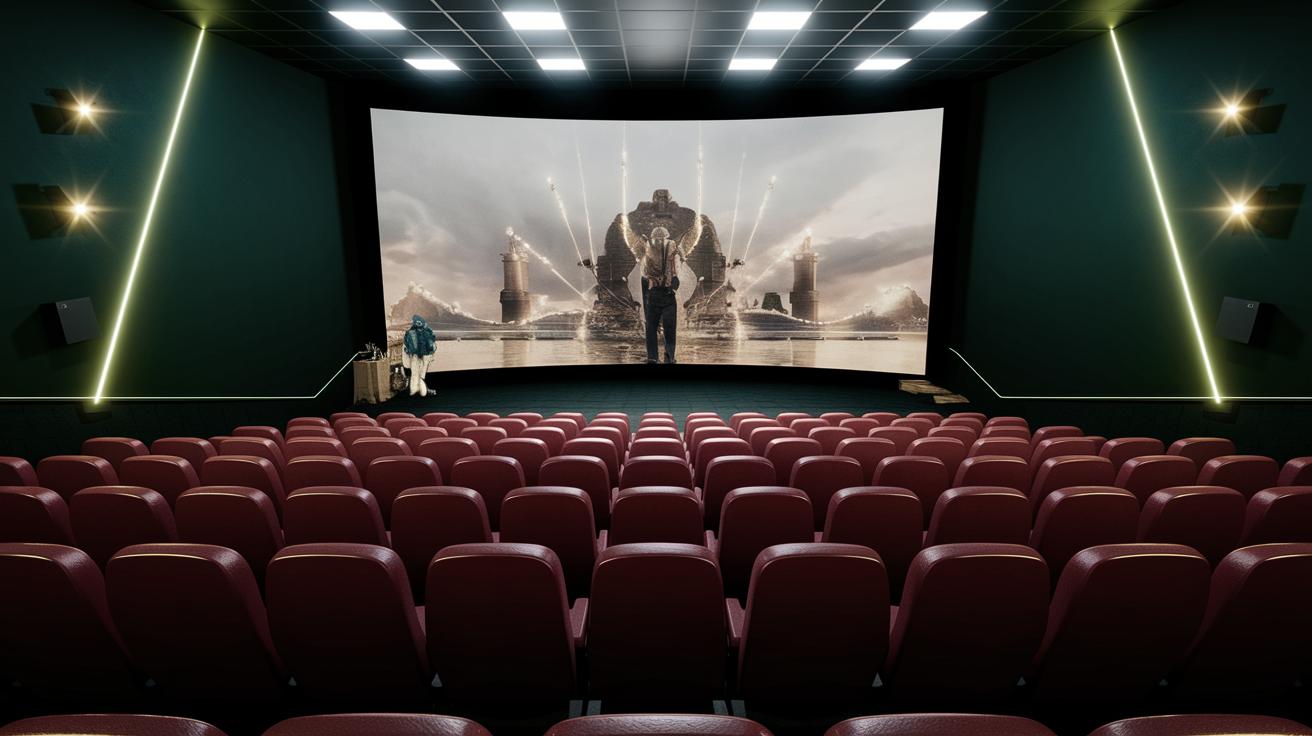
The film industry is currently experiencing a revolution fueled by a fresh wave of technological innovations.
These advancements are not only changing how films are made but also how audiences experience storytelling.
The integration of virtual production, high frame rate filming, light field cameras, and augmented reality (AR)
and virtual reality (VR) are pivotal in this transformation. Additionally, the rise of drone cinematography and
360-degree filmmaking is crafting new narratives by offering filmmakers unprecedented creative control. This
exploration will delve into these cutting-edge technologies and their implications on the future of cinema, as
well as how immersive audio technologies are contributing to an all-encompassing viewing experience.
Virtual Production
Virtual production is reshaping the boundaries of filmmaking by merging physical and digital worlds. Directors
and filmmakers can now visualize entire scenes using advanced computer-generated imagery (CGI) before capturing
a single frame. This innovation allows for more efficient planning and creativity, as it enables filmmakers to
experiment with various elements in real-time, reducing both budget and time constraints. The technology, which
became more prominent with the likes of “The Mandalorian,” uses LED walls that render backgrounds in real-time,
allowing actors to immerse themselves in the world they are portraying.
One significant aspect of virtual production is its ability to create environments that would be logistically
or financially demanding to replicate in real life. This capability opens the door for more imaginative
storytelling and reduces the carbon footprint by minimizing the need for physical sets and travel. The
adaptability and flexibility offered by virtual production make it a transformative force in the industry,
appealing to both big studios and independent filmmakers seeking high-quality visuals with reduced expenses.
High Frame Rate Filming
High Frame Rate (HFR) filming is another breakthrough that promises to enhance the viewer’s experience by
improving the clarity and realism of motion in films. Traditional films are shot at 24 frames per second (fps),
but HFR involves shooting at a higher frame rate, such as 48 or 60 fps, to deliver hyper-realistic and smooth
visuals. This technology was notably used in films like “The Hobbit” series and “Gemini Man,” showcasing
extraordinary detail and fluidity.
Despite its promise, HFR has been met with mixed reviews due to the way it affects the traditional ‘cinematic
look.’ Some viewers find the ultra-clear visuals detract from the filmic experience they’re accustomed to.
Nevertheless, as audiences become more acclimated to higher frame rates in home and mobile viewing, HFR may
eventually become a standard feature in high-profile and action-intensive films. Its adoption signifies a step
toward bridging the gap between traditional cinema and the interactive realism of video games.
Light Field Cameras
Light field camera technology is pushing the limits of cinematography by capturing data on light directions
and intensities, not just colors and brightness. This innovation allows filmmakers to change the focus, depth
of field, and perspective in post-production, offering unprecedented control over images. Such functionalities
enable a more dynamic and flexible storytelling process, where adjustments can be made long after the shooting
phase has concluded.
The adoption of light field technology in mainstream filmmaking is still in its infancy, but its potential
applications are vast, from virtual reality content to more interactive forms of media where viewer preferences
can be factored into the visual outcome. As the technology becomes more affordable and widely accessible, it’s
expected to revolutionize how filmmakers conceive and execute their visual narratives.
Augmented Reality (AR) and Virtual Reality (VR)
VR
Virtual Reality (VR) is an emerging frontier in the film industry, offering immersive storytelling experiences
that transport audiences to alternate worlds. Through VR headsets, viewers can explore a 360-degree environment,
interact with their surroundings, and engage with narratives in a deeply personal way. VR is transforming
passive viewership into an active experience, making storytelling more engaging and personal.
The implementation of VR in cinema is still evolving, with challenges like motion sickness and limited audience
reach being addressed. Nonetheless, VR offers a unique avenue for filmmakers to experiment with non-linear
storytelling and interactive narratives. As advancements continue and costs decrease, VR could potentially
redefine cinematic experiences and audience engagement.
AR
Augmented Reality (AR), unlike VR, overlays digital content onto the real world, blending fictional elements
with reality. This technology offers filmmakers the opportunity to enhance their narratives with layers of
information and interactivity that audiences can access through their devices. AR can enrich storytelling by
allowing viewers to access additional content, such as character backstories or hidden plot elements, while
interacting with their real-world environment.
The incorporation of AR into film is still in experimental stages, but it holds promise for expanding how
audiences interact with narratives beyond the traditional screen. As AR technology becomes more sophisticated
and widespread, it offers filmmakers a novel tool for crafting multi-dimensional, enriched viewing experiences
that blur the lines between fiction and the real world.
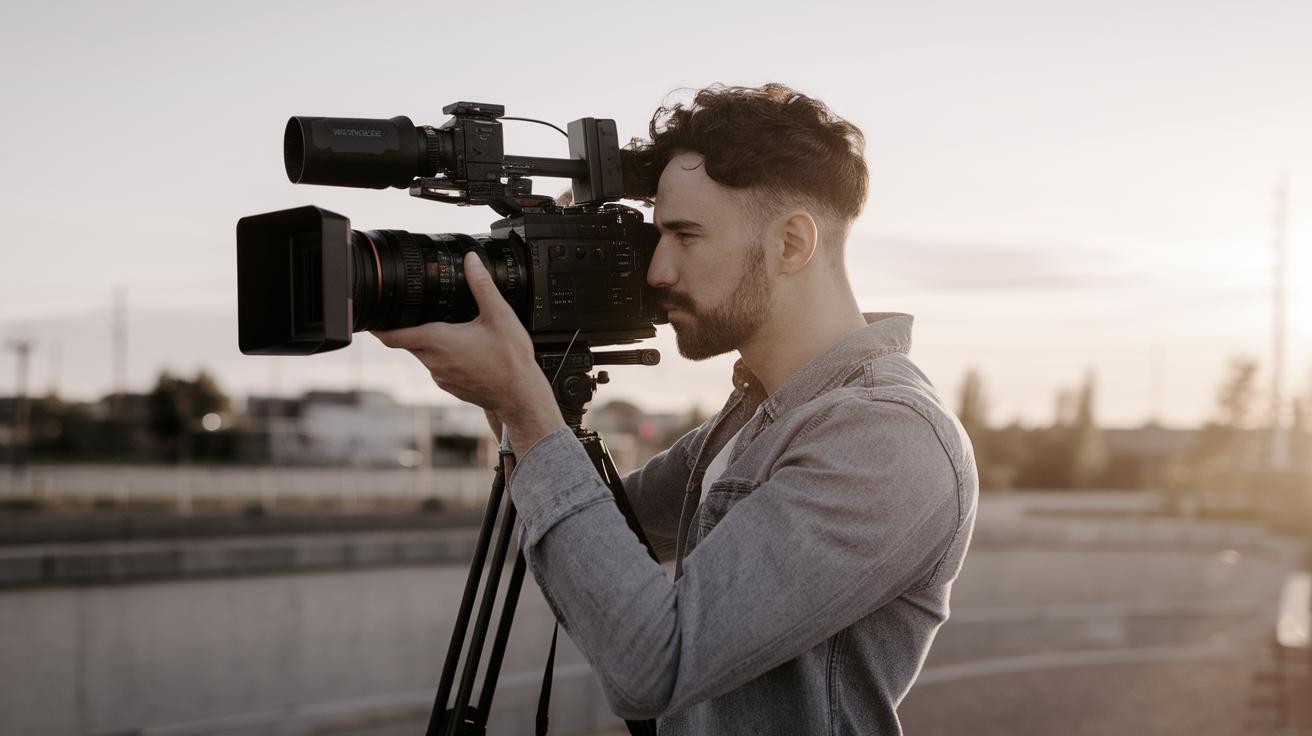
Drone Cinematography
Drone technology has revolutionized the way aerial shots and complex sequences are filmed, providing an
affordable and versatile alternative to traditional methods such as helicopters and cranes. Drones offer
unparalleled maneuverability and ease of use, enabling filmmakers to capture breathtaking perspectives and
dynamic shots that were previously difficult or impossible to achieve. This democratization of aerial
cinematography enriches the visual storytelling toolbox for both large-scale productions and indie filmmakers.
As drone technology evolves, with improvements in stability, battery life, and AI-driven flight paths, its
capabilities in the film industry will further expand. Filmmakers and storytellers now have the ability to
capture expansive landscapes, intricate action sequences, and innovative camera angles that contribute to more
engaging and visually captivating narratives. The advent of drones has not only lowered production costs but
also sparked new trends in visual storytelling.
360-Degree Filmmaking
360-degree filmmaking offers audiences an all-encompassing viewing experience, allowing them to explore
every angle of a scene. By using special 360-degree cameras, filmmakers create immersive environments where
viewers can choose which direction to look, effectively placing them at the center of the action. This
filmmaking approach invites active participation and offers a novel storytelling method that challenges
traditional narrative structures.
This innovative technique has gained traction in experiential and documentary filmmaking, where real-world
settings and events can be experienced anew. However, creating impactful 360-degree films requires a shift in
how stories are constructed and presented, often requiring filmmakers to think beyond linear storytelling.
As technology evolves and audience demand for this type of immersive content increases, 360-degree filmmaking
stands to become a significant player in the future of cinematic storytelling.
Immersive Audio Technologies
Immersive audio technologies are enhancing cinematic experiences by placing sound design at the forefront of
storytelling. Technologies such as Dolby Atmos and DTS:X allow sound engineers and creators to design audio
landscapes that engage audiences in a three-dimensional sphere, with sounds coming from all around, and even
above, the listener. This immersive approach to sound design enriches the overall experience, drawing viewers
deeper into the film’s narrative.
By complementing visual storytelling with sophisticated soundscapes, immersive audio technologies help create a
more convincing and enveloping cinematic environment. This advancement in audio production not only improves the
quality of the viewing experience but also supports the emotional and psychological immersion of the audience,
crafting a multi-sensory journey that aligns perfectly with modern filmmaking’s narrative aspirations.
What Does It All Mean?
Collectively, these innovations represent a seismic shift in the way films are produced and experienced.
Virtual production, high frame rate filming, light field cameras, and the use of drones and immersive audio are
redefining technical possibilities and creative storytelling. Meanwhile, augmented and virtual reality are
challenging the industry’s understanding of viewer engagement and interaction. These advancements enable
filmmakers to push creative boundaries while simultaneously catering to audiences’ evolving tastes and
technological expectations.
As the film industry continues its trajectory towards more interactive, immersive, and technologically-rich
experiences, it’s crucial for filmmakers, producers, and industry professionals to stay abreast of these
developments. The future of cinema lies in embracing innovation, fostering creativity, and continually
exploring new mediums and methods of storytelling that resonate with global audiences.
| Innovation | Description | Impact |
|---|---|---|
| Virtual Production | Merging digital and physical production to streamline processes and enhance creativity. | Enables more cost-effective and imaginative storytelling. |
| High Frame Rate Filming | Captures films at higher fps for smoother and more realistic visuals. | Improves motion clarity, though with some debate over its cinematic appeal. |
| Light Field Cameras | Captures comprehensive data for post-production flexibility. | Offers unprecedented control over focus and perspective. |
| VR | Creates immersive storytelling experiences through virtual reality. | Transforms passive viewership into active participation. |
| AR | Overlays digital content onto the real world for interactive experiences. | Expands narrative interaction with multi-layered content. |
| Drone Cinematography | Uses drones to capture innovative aerial shots and sequences. | Democratizes aerial filming with cost-effective technology. |
| 360-Degree Filmmaking | Films entire scenes with 360-degree view, placing viewers at the center. | Challenges traditional narratives, promoting viewer agency. |
| Immersive Audio Technologies | Utilizes 3D soundscapes for an enveloping audio experience. | Enhances emotional and psychological immersion. |