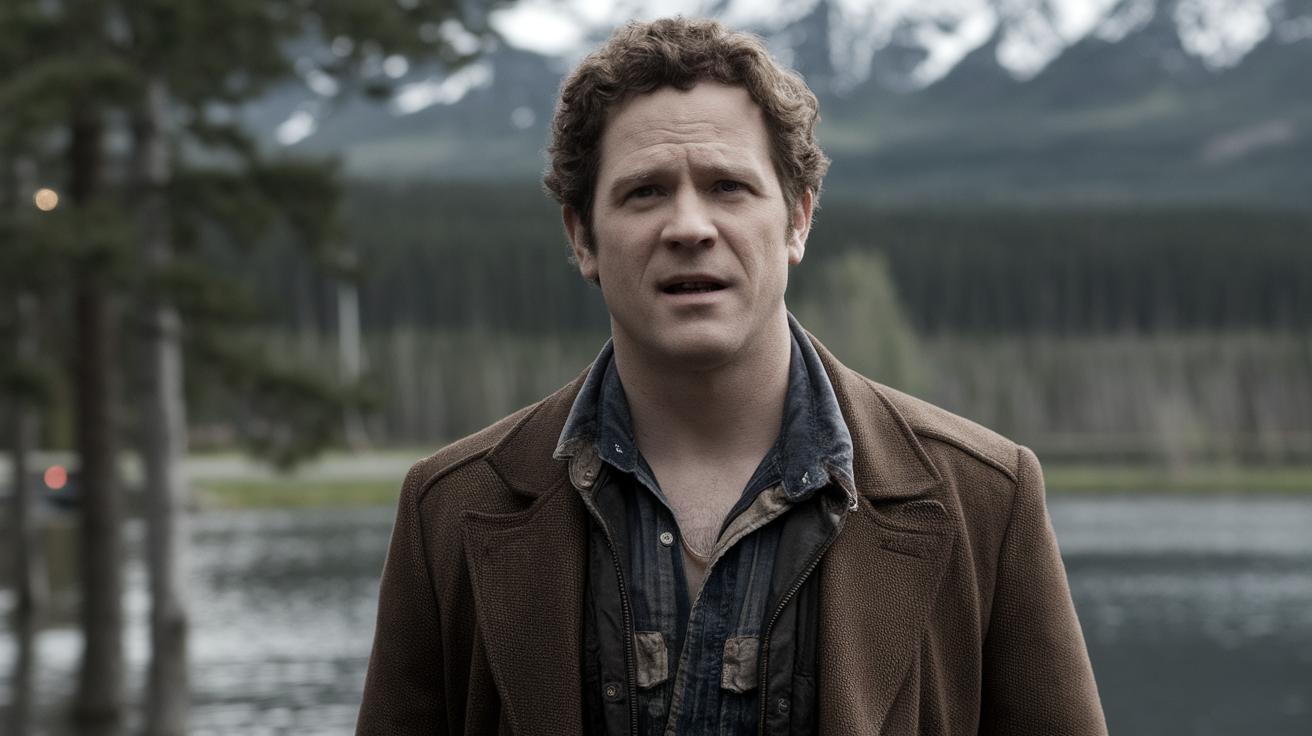
Key Elements of a Powerful Film Opening
Crafting a memorable and powerful film opening is a nuanced art that can significantly impact the audience’s engagement and perception of the story. A film’s opening serves as the gateway into its world, establishing the tone, introducing key characters, and setting the stage for the unfolding narrative. This blog post explores the critical elements that contribute to an effective film opening, drawing on various techniques and iconic examples to illustrate their significance. From the captivating visuals and music used to engage audiences immediately, to the pitfalls that can undermine a compelling start, we delve into the craft of designing openings that resonate. Additionally, we’ll examine how opening scenes have evolved across film history and their unique roles in different genres. Whether you’re a budding screenwriter or a film enthusiast, understanding these components can enhance your appreciation and skill in telling cinematic stories.
Importance of Opening Scenes
Setting the Stage for the Story
The opening scene of a film is crucial in setting the stage for what’s to come. It acts as a blueprint, laying out the groundwork for the narrative journey. A well-crafted opening provides the audience with essential context, revealing the film’s world, whether it’s a bustling city, a distant galaxy, or a quaint village. The details presented in the beginning help viewers acclimate to the story’s universe, allowing them to immerse themselves fully into the narrative fabric.
Beyond establishing the setting, these initial moments can also hint at underlying themes. By subtly weaving thematic elements into the visuals or dialogue, filmmakers can communicate the story’s core ideas right from the start. Such finesse ensures that the opening scene is not just a prologue but a vibrant part of the story’s tapestry, crucial for preparing the audience for the journey ahead.
Introducing Key Characters
Characters are the heart of any story, and their introduction sets the tone for the audience’s connection to the narrative. An opening scene can offer a glimpse into a character’s personality, motivations, and challenges, initiating the audience’s emotional investment in their journey. Whether they’re introduced through dialogue, action, or even a single evocative image, the first impression of a character can have lasting implications.
Understanding the nuances of powerful character introductions can elevate the narrative. A character’s entrance in the opening scene might not only establish who they are but also hint at the conflicts they will face. This strategic introduction can pique curiosity, propelling the narrative while creating an immediate bond with the audience.
Establishing the Tone
The tone of a film guides audience expectations and emotional responses. Through careful alignment of visual style, music, and pacing, the opening scene serves as the tone-setter for the entire film. Whether the tone is comedic, dark, suspenseful, or lighthearted, establishing it from the outset ensures viewers approach the story with the right mindset.
Contextual cues, such as color palettes or background scores, play a significant role in setting this initial mood. By expertly crafting these elements, filmmakers provide audiences with emotional orientation, allowing them to tune in to the film’s rhythm and atmosphere. When done correctly, the established tone can sustain engagement throughout the movie.
Creating Immediate Conflict
Conflict drives stories forward and capturing it in the opening scene hooks the audience instantly. By introducing a core challenge or dilemma from the outset, filmmakers set the stakes and introduce urgency. The initial conflict need not be the story’s primary one but should be substantial enough to engross the audience.
This technique keeps viewers intrigued, as they become invested in how the narrative will evolve. Robust conflict establishes tension, enhancing emotional engagement as the audience anticipates resolutions. This method is particularly effective in action or thriller genres where immediate stakes are critical to maintaining intensity.
Audience Engagement
One of the overarching goals of an opening scene is to captivate the audience’s attention fully. In an increasingly competitive entertainment landscape, first impressions are paramount, and an engaging start ensures that viewers remain committed to the story.
Successful engagement combines various elements like visuals, music, and conflict into a cohesive experience that evokes curiosity and anticipation. By fostering an immediate connection, filmmakers entice audiences to embark on the narrative journey willingly, eager to unravel the story’s mysteries.
Key Elements of Effective Opening Scenes
Captivating Visuals
Visual storytelling is powerful, and opening scenes that employ captivating visuals can establish a film’s allure. Through compelling imagery, filmmakers can convey intricate details about setting, tone, and character without uttering a single word. This visual communication draws viewers in, creating a visceral connection that transcends language.
A vivid portrayal of the world or introduction to a pivotal action sequence can set the ambiance decisively. Such craftsmanship ensures that the film resonates on an aesthetic level, instilling a sense of wonder and intrigue that propels the audience into the heart of the story.
Establishing Characters
The art of establishing characters in an opening scene involves more than mere introduction; it is about positioning them within the narrative’s emotional landscape. Through deliberate portrayal, filmmakers can elicit empathy, intrigue, or even animosity towards characters, shaping audience perceptions.
Strategic character development involves visual cues, dialogue, and actions, aligned with the film’s overarching themes. By revealing aspects of a character that resonate with the audience, filmmakers ensure a robust foundation for future developments, keeping viewer interest piqued.
Setting the Tone
Setting the tone effectively in an opening scene aligns the audience’s emotional compass. This element encompasses the mood, stylistic choices, and overall pace of the story. Through the use of lighting, colors, and sound, a film’s tone can be established with nuance and subtlety.
Filmmakers must ensure consistency between the tone of the opening scene and the rest of the film. This alignment fosters an immersive atmosphere, guiding the audience’s expectations and enhancing their overall experience. When tone is masterfully set, it acts as an invisible thread, weaving through and binding the narrative elements panoramically.
Introducing Conflict
Conflict is the narrative engine, propelling stories towards resolution. In a film’s opening, introducing conflict – be it internal or external – captivates the audience, ensuring they are emotionally invested from the start. This conflict doesn’t necessarily need resolution within the opening scene but should suggest complexity warranting exploration.
An effective portrayal of conflict frames the stakes while deepening character engagement. By weaving conflict naturally into the opening moments, filmmakers prime the audience for an emotionally charged journey, compelling them to explore the narrative’s depths.
Creating Curiosity
Creating curiosity in an opening scene is about posing questions rather than providing answers. An element of mystery or unexplained scenario can spark the viewer’s imagination, compelling them to seek resolution through the unfolding story.
This curiosity can be ignited through visual enigmas, seemingly unconnected incidents, or intriguing character introductions. Filmmakers that master this craft skillfully let the audience’s curiosity guide them through the narrative, creating a poignant hook that retains attention.
Using Music and Sound
Music and sound are integral tools for amplifying the emotional resonance of an opening scene. A well-designed score or soundscape can enhance mood, suggest impending action, or convey thematic elements, enriching the viewers’ sensory experience.
By thoughtfully contrasting silence with sound or rhythm with melody, filmmakers can create anticipation and emotional connection. This auditory layer complements the visual elements, ensuring that the story’s atmosphere is engaging and emotionally aligned from the beginning.
Techniques for Crafting Memorable Opening Scenes
Start with Action
Opening with action is an enduring technique that involves thrusting the audience directly into a pivotal moment. This approach kicks off the story with intensity, ensuring immediate engagement. The action doesn’t need to be explosive; even subtle actions revealing character dynamics can achieve the desired effect.
This technique thrives on momentum, capturing audience attention and sustaining interest through kinetic energy. As the action unfolds, it plants critical story seeds, setting the stage for future developments with nuance and flair.
Utilize Strong Visuals
Strong visuals function as a narrative magnet, captivating viewers by providing vivid visual stimuli. Whether through breathtaking landscapes, dynamic cinematography, or meticulous set design, strong visuals resonate on a sensory level.
They transcend dialogue, crafting an immersive experience with world-building flair. Artists can create tangibility within the story’s universe, making the audience feel present. When executed effectively, strong visuals in an opening scene ensure that audiences are intrigued and emotionally engaged.
Introduce a Key Character
Character introductions are pivotal, as they establish narrative direction and emotional center. In an opening scene, introducing a key character creates an anchor for the audience’s connection, laying the groundwork for storytelling dynamics.
Through visual expression, dialogue, and action, key characteristics align with the story’s themes, building a strong narrative foundation. This introduction shapes the journey ahead, molding audience perceptions with each unfolding scene and ensuring a path of memorable character development.
Set the Tone with Music
Music can serve as an incisive tone-setting tool, instantly coloring the emotional landscape of a film. The use of score in the opening scene enhances mood, suggests themes, or sharpens moments of conflict, making music an integral element of visual storytelling.
A well-chosen melody can resonate with the story’s rhythm, echoing narrative beats and amplifying emotional engagement. This auditory technique ensures that the storyline unfolds with emotional depth, providing context for character motives and narrative direction.
Incorporate Dialogue and Narration Wisely
Dialogue and narration in a film’s opening must be used judiciously, as they’re essential tools for conveying information, setting tone, and engaging the audience. This communication must be strategic in creating intrigue or establishing thematic motifs without overwhelming the viewer.
This nuanced balance allows dialogue to enhance the narrative without overshadowing visual or auditory elements. Well-executed dialogue establishes connections, clarifies plot nuances, and enriches character interactions, ensuring that spoken words resonate.
Examples of Iconic Opening Scenes
“Saving Private Ryan”
The opening scene of “Saving Private Ryan” is legendary for its visceral, intense depiction of the D-Day landings on Omaha Beach. It immerses viewers in the chaotic, brutal realities of war through raw, unflinching visuals and sound. This unforgettable scene sets the tone for the film, emphasizing the harsh, sacrificial themes that permeate the narrative.
The immediate conflict presented through the relentless combat not only captivates the audience but also establishes a stark emotional backdrop, amplifying the impact of the story’s unfolding events. This opening is a masterclass in using immersive, action-driven sequences to secure deep emotional engagement.
“The Matrix”
“The Matrix” opens with an electrifying chase scene that not only showcases groundbreaking visual effects but also wisely introduces core concepts of the film’s reality-bending narrative. This strategic opening piques curiosity through its enigmatic setting and the seemingly impossible feats of the protagonist, providing hooks that prepare the audience for the elaborate themes of the film.
The combination of action, visual flair, and mystery ensures the audience is immediately absorbed, setting the scene for the complex, thought-provoking journey that follows. Through its meticulous scene construction, “The Matrix” illustrates how opening sequences can serve as microcosms of a film’s depth.
“The Dark Knight”
The opening bank heist in “The Dark Knight” is a testament to director Christopher Nolan’s meticulous approach to crafting tension-filled, narrative-driven sequences. As masked criminals execute a heist, each element—from dialogue to visual tension—melds to introduce key characters and establish stakes.
This sequence is not just action-oriented but layered with thematic cues that resonate throughout the film and is pivotal in establishing the Joker as a central character. The fusion of chaos and precision forges a memorable opening that defines the film’s complex moral landscape while securing audience investment.
Common Pitfalls to Avoid in Opening Scenes
Overloading with Information
A common mistake in opening scenes is overwhelming the audience with excessive information. An effective opening communicates the essentials without inundating viewers with plot details or backstory, which can detract from clarity and inhibit intrigue.
Instead, filmmakers should aim to strategically present core elements, engaging the audience and allowing the story to reveal itself naturally. By prioritizing narrative efficiency, the opening scene can become a powerful tool in drawing viewers into the film’s world with intrigue and anticipation.
Slow Pacing
Slow pacing can undermine the effectiveness of an opening scene, risking loss of audience interest. While not every opening demands fast-paced action, maintaining a compelling rhythm is vital to securing engagement.
Balancing narrative exposition with dynamic elements ensures pacing that intrigues without overwhelming. A well-paced opening entices the audience, blending atmosphere, character setup, and plot introduction harmoniously to sustain curiosity and intrigue.
Lack of Clarity
Clarity is crucial in an opening scene to avoid confusion and ensure a seamless viewing experience. Ambiguous introductions can hinder plot development and disengage audiences, making clarity essential in establishing story direction.
Ensuring that fundamental context is shared, while maintaining narrative mystery, bridges connections between characters and themes. With clarity guiding the unfolding story, the opening serves as an immersive entry point into the narrative universe.
Ignoring Tone Consistency
Ignoring tone consistency can derail an opening scene’s impact, disrupting the narrative’s cohesion. The tone established in the beginning should resonate throughout the film, providing continuity and structure.
Discrepancies in tone risk disengagement, confusing audience expectations. By aligning style, mood, and pacing, filmmakers can craft openings that set a robust precedent for the film, securing a resonant, consistent viewing experience.
Incongruent Visuals and Dialogue
The interplay between visuals and dialogue shapes an opening scene’s effectiveness. Incongruence between these elements can create dissonance, weakening audience connection.
Integrating visual storytelling with coherent dialogue encourages engagement, with each component reinforcing the other. This alignment ensures that narrative elements resonate uniformly, fostering a cohesive storytelling approach from the outset.
How Opening Scenes Influence Audience Perception
Establishing Expectations
Opening scenes play a pivotal role in establishing audience expectations for the film. They provide a glimpse into the narrative, hinting at future themes, conflicts, and character dynamics. Their craftsmanship shapes perceptions, guiding viewers on an anticipated journey.
By aligning with genre conventions or intentionally subverting them, filmmakers craft a perceptual framework. This deliberate approach ensures audiences engage with the narrative through a lens tailored to the film’s unique storytelling style.
Emotional Engagement
Emotionally engaging openings resonate with audiences, fostering immediate connections through carefully curated elements. Be it through empathy for a character, intrigue towards a plot, or admiration for visual artistry, emotional engagement anchors viewing experience.
Strong sentiments established initially can sustain attention, propelling audiences through the narrative with invested anticipation of character development, plot twists, or thematic revelations. This engagement cultivates a fulfilling narrative journey, rooted in inaugural moments.
Setting the Narrative Framework
The opening scene serves as the narrative framework’s cornerstone, embedding core themes and motifs. It previews story dynamics, subtly embedding motifs that will resonate as the film progresses.
This foundational framework provides narrative cohesion, as story arcs align with initial cues. As the framework unfolds, it propels character evolution and plot progression, with the audience guided by narrative foreshadowing initiated in the beginning.
Building Curiosity
Curiosity is a powerful catalyst for maintaining interest, and an effective opening scene weaves in elements that pique this curiosity. By presenting enigmas or hinting at untold stories, filmmakers can spark audience intrigue.
This act of engaging curiosity nurtures a sense of discovery, with audiences eager to delve deeper into the film’s world. As curiosity guides them, this strategy sustains engagement, ensuring a narrative that captivates throughout.
Best Practices for Screenwriters: Crafting Compelling Openings
Know Your Genre
Understanding genre conventions is key to crafting effective opening scenes. Each genre possesses unique stylistic and structural norms that signal audience expectations, providing a framework for storytelling.
Screenwriters who harness genre insights ensure their openings align with audience anticipations, leveraging familiar elements while innovatively embedding creativity. This approach fosters resonance while simultaneously offering fresh perspective.
Start with a Strong Hook
A strong hook anchors the opening scene, captivating the audience with promise of something compelling. This immediate connection encourages viewers to commit to the narrative, eager for its unfolding mysteries.
Crafting this hook requires deft precision, intertwining visual, auditory, or thematic cues that incite curiosity. The hook’s effectiveness ensures the narrative trajectory is enticing, narratively rich, and emotionally charged from its inception.
Show, Don’t Tell
“Show, don’t tell” is a foundational storytelling principle, especially in crafting opening scenes. Visual and action cues often prove more powerful than exposition, allowing narrative essence to emerge naturally.
Inviting the audience to infer rather than overtly presenting information ensures engagement through active participation. This narrative elegance enriches storytelling, as viewers uncover character motivations and plot complexities immersed within the story world.
Introduce Key Elements Early
Introducing key elements early in a film ensures viewers are quickly anchored to the core narrative and thematic pillars, building anticipation for the unfolding plot. These elements—characters, setting, conflicts—essentially guide audience investment and narrative understanding.
Screenwriters adept at embedding these elements strategically foster an immersive experience, creating a narrative fabric that’s cohesive, engaging, and meaningful. As these elements interweave, they enrich the narrative, providing depth and complexity.
Evolution of Opening Scenes in Film History
Silent Film Era
During the Silent Film Era, opening scenes relied heavily on visual storytelling, using expressive cinematography and intertitles to convey context and emotion. Techniques like visual tableau and character-driven action sequences were pioneering in capturing audience imagination.
This era laid the groundwork for visual innovation, with filmmakers harnessing silent storytelling to imbue stories with emotional depth and narrative intrigue. Their work in opening scenes forged a legacy of captivating audiences despite the absence of spoken dialogue.
Golden Age of Hollywood
The Golden Age of Hollywood saw an evolution in opening scenes, driven by the use of sound, color, and narrative complexity. Directors crafted their openings with grandeur, employing musical overtures or bold visual motifs to capture immediate attention.
Noteworthy advances in storytelling ensured audiences experienced a more nuanced, immersive narrative introduction. This period solidified film as a medium of artistic expression, moving beyond mere spectacle to emotionally resonant opening sequences.
New Hollywood Movement
The New Hollywood Movement ushered in a period of creative freedom and innovation, with opening scenes reflecting the era’s experimental spirit. Filmmakers challenged conventions, using unconventional structures, editing techniques, and thematic depth.
This period’s opening scenes often subverted expectations, engaging audiences through non-linear storytelling, striking visuals, or introductory plot twists. These techniques have continued to influence modern cinema, where originality is prized alongside narrative fidelity.
Modern Cinema
In modern cinema, opening scenes have evolved into multifaceted cinematic expressions, characterized by an amalgamation of digital effects, eclectic soundscapes, and heightened aesthetics. Directors increasingly focus on immediate engagement, frequently employing high-concept hooks.
With an emphasis on diversity and innovation, contemporary opening scenes accommodate various storytelling palettes, providing both homage to tradition and explorations of new narrative horizons. This evolution signifies the resilience and adaptability of film as an enduring medium of storytelling.
The Role of Opening Scenes in Different Genres
Horror
In horror films, opening scenes are often crafted to establish fear and tension instantly. The introduction of a threat or an unsettling atmosphere engages the audience, ensuring they are primed for the psychological and visceral experiences to follow.
These scenes leverage suspense and visual cues, laying the foundation for terror that permeates the narrative. Each element, from lighting to sound, converges to curate an immersive, spine-chilling opening.
Comedy
Comedy film openings often aim to elicit laughter or intrigue through humorous situations or witty dialogue. These scenes introduce characters, settings, or scenarios that promise entertainment and levity, aligning audience expectations with the genre.
By establishing comedic tone through timely humor, visual gags, or character quirks, comedy openings engage the audience immediately, inviting them to enjoy narrative that entertains and amuses.
Drama
Drama film openings tend to focus on character-driven stories, exploring human emotions and relationships. They often set a reflective or introspective tone, introducing personal or societal conflicts that frame the narrative.
These openings aim to establish emotional connections, inviting viewers to explore the complexity and depth of the storyline as it unfolds. Visual subtleties and poignant dialogue set the stage for transformative storytelling experiences.
Action
Action film openings are renowned for their high-octane intensity, using dynamic sequences to capture the audience’s attention from the get-go. These scenes display high-energy choreography, special effects, and adrenaline-pumping scenarios.
Designed to entertain and thrill, action-packed openings set the narrative in motion with rapid pacing and immediate stakes, delivering an immersive and captivating viewing experience that defines the genre.
Future Prospects
In the ever-evolving landscape of cinema, the power of opening scenes remains pivotal. As filmmakers continue to harness the art of engaging intros, these scenes will evolve into more sophisticated, diverse expressions that captivate viewers, transcending traditional boundaries. From embracing technological advancements to reimagining narrative techniques, the exploration of opening scenes will redefine storytelling possibilities across genres.
Audiences can look forward to dynamic innovation in this cinematic facet, with filmmakers forging fresh paths in visual storytelling, guided by relentless curiosity and a commitment to capturing the audience’s imagination. As we anticipate film’s future, the enduring significance of opening scenes stands as a testament to their foundational role in crafting impactful narratives.
| Aspect | Description |
|---|---|
| Importance of Opening Scenes | Setting the stage, introducing characters, tone, conflict, and audience engagement. |
| Key Elements | Visuals, characters, tone, conflict, curiosity, music, and sound. |
| Techniques | Opening with action, visuals, character introduction, tone through music, dialogue, and narration. |
| Iconic Examples | “Saving Private Ryan,” “The Matrix,” “The Dark Knight.” |
| Common Pitfalls | Overloading, slow pacing, lack of clarity, tone inconsistency, visual and dialogue incongruence. |
| Audience Influence | Expectation setting, emotional engagement, narrative framework, curiosity. |
| Screenwriter Practices | Genre awareness, strong hook, showing over telling, early key elements introduction. |
| Historical Evolution | From silent films to modern cinema advancements. |
| Genre Roles | Specifics in horror, comedy, drama, and action. |
Share this:
Share on Facebook
|
Tweet
|
Pin it
Like this:
Related.