Developing a Film’s Visual Style
Developing a film’s visual style is a pivotal aspect of filmmaking that combines art and technical prowess. From the sweeping landscapes captured in epic adventures to the intimate close-ups in character-driven narratives, visual style shapes the audience’s perception and engagement. This blog post delves into the components that define a film’s visual style, including cinematography, mise-en-scène, and montage. We’ll explore how to analyze visual elements and why understanding these components is crucial for filmmakers and cinephiles alike. By dissecting these elements, you’ll gain insights into the creative decisions that contribute to a film’s unique aesthetic and emotional resonance.
How to analyse the visual elements of a film
An essential process for both filmmakers and critics is analyzing the visual elements that make up a film. This involves examining everything from color palettes to composition and lighting. Understanding these elements helps to dissect how they combine to create a cohesive visual narrative that complements the story.
One effective way to analyze these elements is by breaking down scenes shot by shot. By identifying patterns and motifs, one can discern how these contribute to the film’s themes and emotional beats. For example, recurring use of shadows may imply a theme of duality or secrecy, while bright, saturated colors might represent fantasies or exaggerations.
Beyond simply noticing these elements, it’s crucial to understand how they communicate meaning. This requires a knowledge of film history and theory, as well as a keen eye for detail. Watching films with this analytical mindset can deepen one’s appreciation for the craft and improve creative skills.
Cinematography
Cinematography is the art of visual storytelling through the use of camera work. The choice of camera angles, movements, and shot compositions all play a significant role in how a story is perceived. Filmmakers use these techniques to direct the audience’s attention, provide information, and evoke emotional responses.
Different genres often employ distinct cinematographic styles. For example, thrillers might use shaky camera movements to create a sense of chaos and tension, while dramas may favor static shots that emphasize character emotions. Lighting also plays a crucial role; harsh lighting can build tension, whereas soft lighting might be used for warmth and intimacy.
Aspiring filmmakers should study films renowned for their cinematography to understand how professionals utilize these elements. Experimenting with various techniques in projects can provide valuable experience and lead to the development of a unique cinematographic voice.
Mise-en-scene
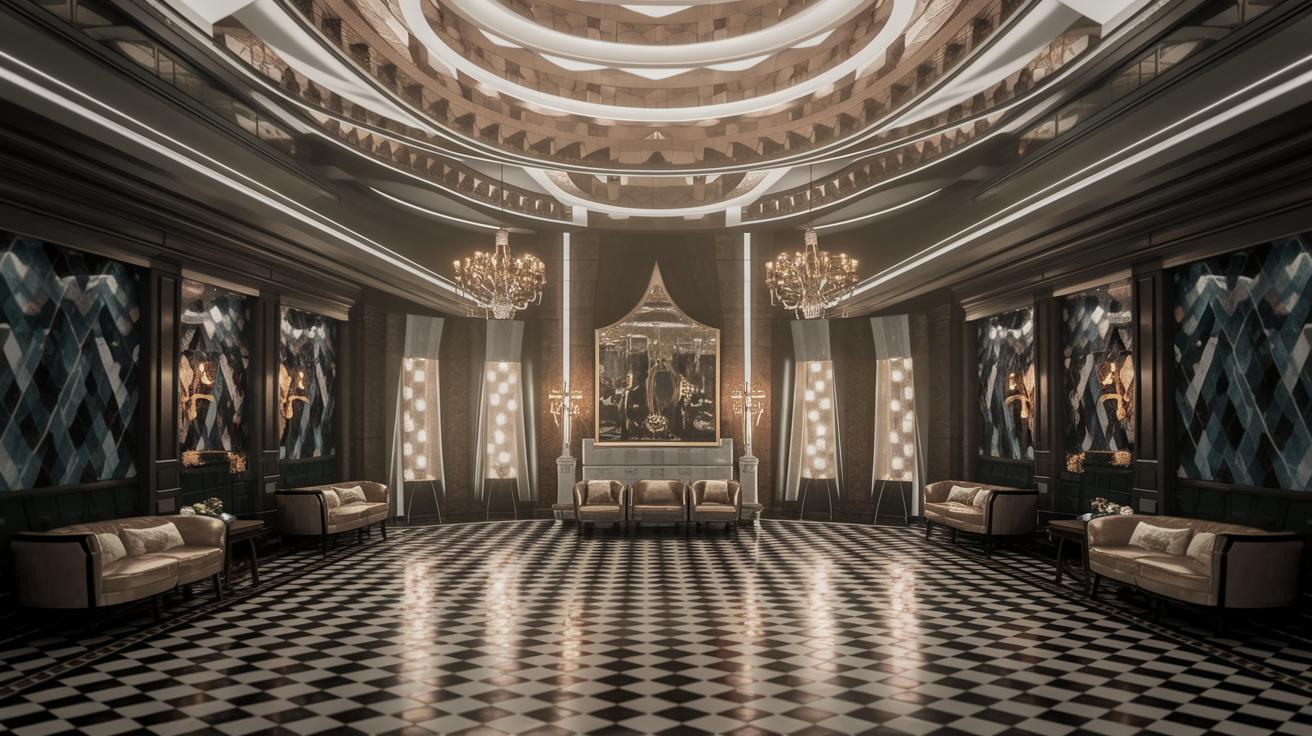
Mise-en-scène encompasses everything that appears before the camera, including set design, costumes, props, and actor placement. This element plays a vital role in setting the film’s tone and atmosphere. It acts as a backdrop that shapes the viewer’s interpretation of the narrative.
The meticulous attention to detail in mise-en-scène can significantly impact a film’s authenticity and immersion. Period pieces, for instance, require precise costume and set designs to convincingly transport audiences to another era. The placement of actors and props within a scene can also create visual metaphors or underline thematic elements.
Understanding mise-en-scène involves recognizing its influence on a film’s overall impact. Whether the director opts for a minimalist approach or a more lavish spectacle, the choices made here can powerfully convey aspects of the story that dialogue alone might not achieve.
Montage
Montage, a technique in film editing, involves piecing together separate fragments to form a continuous whole. This can manipulate both time and space, often using juxtaposition to elicit specific emotions or ideas. It offers filmmakers a powerful tool to convey complex narratives efficiently.
The Soviet Montage Theory, developed by filmmakers like Sergei Eisenstein, focuses on how the assembly of shots can influence the intellectual and emotional responses of the audience. By contrasting images, montage allows filmmakers to achieve effects not possible through individual images alone.
Effective use of montage can dramatically alter the viewer’s perception and understanding of the narrative. Filmmakers can create moods, suggest themes, or shift the pacing of a film by selecting the right sequence of images. As such, montage remains a critical component of a film’s visual language.
Why it’s important to understand visual style
Understanding visual style is essential for both filmmakers and audiences. For artists, it serves as the blueprint for crafting a movie that connects with audiences on a deeper emotional level. It involves using all visual elements cohesively to support the story and engage viewers.
For audiences, grasping visual style enhances appreciation and enjoyment. Recognizing the choices that directors make allows viewers to engage more fully with the film, interpreting subtleties that might otherwise be overlooked. This understanding can transform casual watching into a more enriching experience.
Ultimately, visual style is a language that transcends cultural boundaries, enabling universal storytelling. By understanding and appreciating this language, one gains insight into the filmmaker’s vision and the power of cinematic art to move and inspire.
A Quick Guide to Visual Style
Visual style can be seen as the unique fingerprint of a film. Understanding it involves examining elements like color, composition, lighting, and movement within every frame. This quick guide empowers filmmakers to consciously develop their visual language and enables viewers to fully interpret the film’s aesthetics.
Share this:
If you enjoyed this post and found it helpful, consider sharing it with fellow cinephiles, aspiring filmmakers, and anyone interested in the art of film. Together, let’s deepen our understanding and appreciation of the intricate visual styles that define cinema’s magic.
Related.
Explore related topics:
- The Art of Editing: Finding Your Film’s Rhythm
- Lighting in Film: Creating Mood and Atmosphere
- Color Psychology in Cinema: How Colors Influence Emotions
Lessons learned
| Topic | Insights |
|---|---|
| Analyzing Visual Elements | Break down scenes to understand recurring visual motifs and their significance in storytelling. |
| Cinematography | Study camera work and lighting to enhance emotional engagement and direct audience focus. |
| Mise-en-scène | Utilize set design, costumes, and props to create authentic worlds and underline themes. |
| Montage | Employ editing techniques to weave disparate images into a cohesive narrative with emotional impact. |
| Importance of Visual Style | A cohesive visual style enriches storytelling, improving both the filmmaker’s vision and audience understanding. |