The Art of Collaboration: Director and Cinematographer Partnership
The partnership between a director and a cinematographer is pivotal in crafting the visual narrative of a film. While directors are often credited for their vision, it’s the cinematographer who translates these ideas into compelling images. Throughout this blog post, we’ll explore how directors can effectively collaborate with cinematographers, creating a symbiotic relationship that enhances the storytelling process. We’ll delve into key tips including choosing the right collaborator, utilizing their experience, and coming prepared. Additionally, visual references, especially from photography, play a crucial role in aligning creative vision. Join us as we navigate this dynamic partnership and reveal insights that could elevate your next project.
What is a Cinematographer?
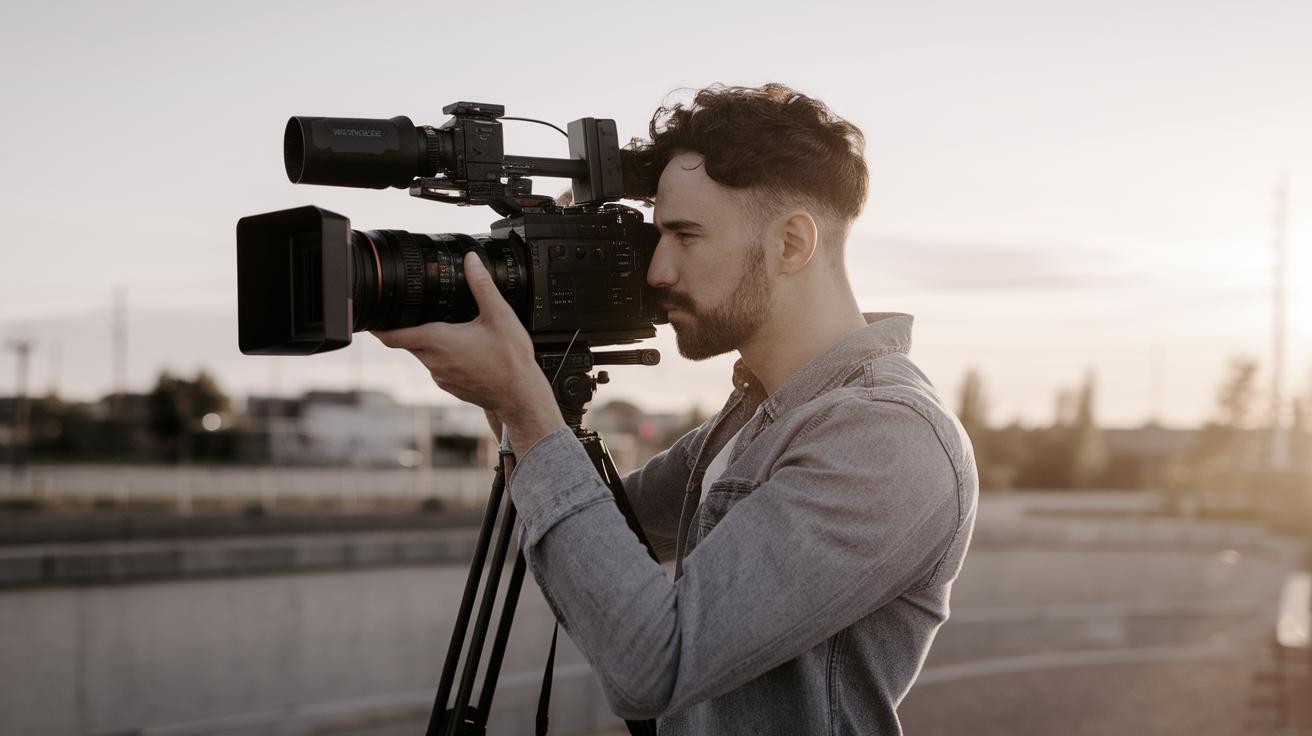
A cinematographer, also known as a Director of Photography (DP), is responsible for capturing the visual essence of a film. They work closely with the director to bring the script’s visual narrative to life, executing the director’s vision through camera work, lighting design, and shot composition. While the director determines the film’s tone and pacing, the cinematographer crafts the visual language that supports these elements.
Cinematographers possess both artistic and technical skills that enable them to manipulate elements like lighting, camera angles, and filters to evoke emotions. Their unique ability to balance creativity with technical demands makes them indispensable to the filmmaking process. They ensure that every shot aligns with the director’s vision while maintaining consistency across scenes.
Tip 1 – Choose the Right Collaborator
Filmmaking is Problem-Solving
At its core, filmmaking is about solving visual and narrative challenges. Directors often come with a specific vision in their minds, but translating this vision onto the screen requires addressing numerous obstacles along the way. From location constraints to budget limitations, a good cinematographer acts as a problem-solver, finding innovative ways to achieve the desired outcome.
Finding the Right Problem Solver
Directors should seek out cinematographers who not only have a strong artistic sensibility but also excel in problem-solving. During the selection process, review the cinematographer’s previous work to ensure their style and approach align with the project’s needs. An accomplished cinematographer will bring fresh perspectives to the table, enhancing the storytelling process while overcoming any visual challenges.
Tip 2 – Utilize Their Experience
Embrace Their Expertise
A director should openly embrace the wealth of experience a cinematographer brings to the table. Their exposure to varying film projects, techniques, and technologies can inform decisions that elevate the quality of a production. Rely on their expertise when experimenting with new visual styles or when a unique approach is required to tell a story more effectively.
It’s a Collaborative Process
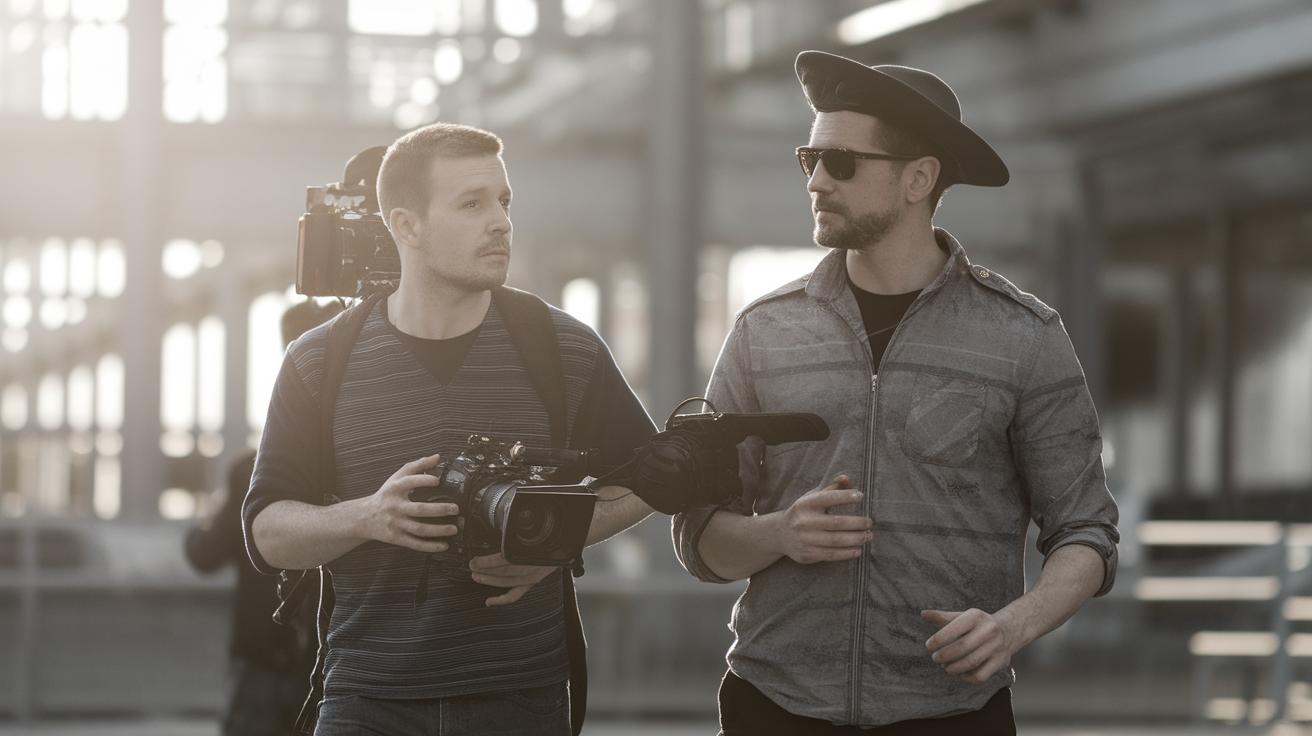
Directing should be viewed as a collaborative process, with input from diverse crew members, especially the cinematographer. Invite their opinions on lighting schemes, camera placements, and shot designs. This spirit of collaboration often results in innovative ideas that might not have surfaced in a top-down directive approach. Communication is key; regularly discuss scenes with your cinematographer to fine-tune each visual detail.
Tip 3 – Come Prepared
Preparation is crucial when collaborating with a cinematographer. Directors should come armed with a clear vision that articulates the film’s tone and style. This preparation allows for meaningful contributions from the cinematographer in refining and implementing this vision through their work. Thorough preparation also helps in identifying potential challenges, making it easier to devise solutions during pre-production discussions.
Possessing a well-thought-out storyboard can serve as a visual guide, facilitating better communication. This tool aids in illustrating the director’s vision, enabling the cinematographer to contribute ideas on improving or adjusting elements to enhance the narrative’s emotional impact. Being prepared ensures that the creative conversation remains productive and focused.
Tip 4 – Use Photography Books as Visual References
Avoid Video References
While video references might seem like a natural choice, they can inadvertently limit creativity by anchoring the cinematographer to existing works. Instead, directors are encouraged to explore other forms of visual art that highlight composition, lighting, and emotion—like photography. This distinction encourages an original approach to the visual storytelling process.
Photography References
Photography books serve as excellent visual references, providing inspiration for mood, color palettes, and framing. Unlike moving images, photographs capture a single moment, demanding a focus on specific elements to convey emotion and story—a practice that can significantly enhance cinematic visuals. Directors should select photographs that capture the essence of a scene, using them as a springboard for collaborative brainstorming with their cinematographer.
Future Prospects for Director-Cinematographer Collaborations
As the film industry continues to evolve, the dynamic between directors and cinematographers will need to adapt to new technologies and storytelling mediums. Embracing digital innovations, such as virtual production, will open up new possibilities for collaboration. Future directors can look forward to even more seamless partnerships with cinematographers, leveraging technological advancements to push the boundaries of visual storytelling.
By choosing the right collaborators, embracing their expertise, preparing meticulously, and drawing inspiration from diverse visual arts, directors can create memorable and impactful cinematic experiences. The future of filmmaking rests on collaborative alliances that honor the creative and technical prowess of both directors and cinematographers.
| Tip | Description |
|---|---|
| Choose the right collaborator | Select a cinematographer who aligns with your vision and excels in problem-solving. |
| Utilize their experience | Rely on the cinematographer’s expertise and embrace a collaborative approach. |
| Come prepared | Have a clear vision and thorough planning to facilitate effective collaboration. |
| Use photography books as visual references | Opt for photography over video references to inspire original visual storytelling. |