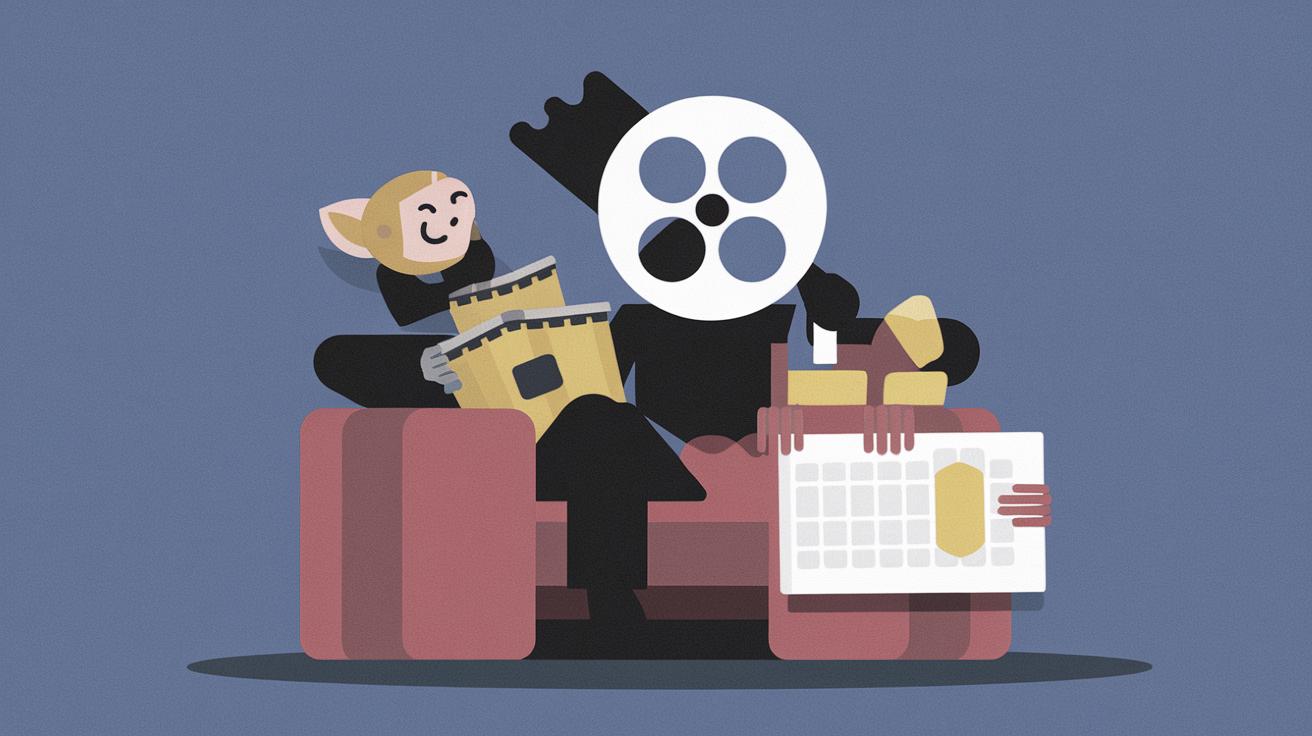
What Trends are Shaping Film Viewer Preferences?
In an ever-evolving digital landscape, the way audiences engage with film content is constantly being reshaped. This blog post explores the key trends that are currently influencing film viewer preferences. From the rise of streaming services offering personalized content to a growing demand for original storytelling amidst franchise fatigue, discover how these dynamics are crafting new paradigms in viewing habits. Furthermore, as consumers become increasingly educated about their viewing options, the industry faces new challenges and opportunities. Delve into each of these trends to understand how they are defining today’s cinematic experiences.
A Comprehensive View of the State of Streaming in America
The landscape of media consumption has shifted dramatically over the past decade, largely due to the proliferation of streaming services. In America, platforms like Netflix, Hulu, and Disney+ have become household staples, fundamentally changing how audiences access and engage with film content. The convenience of these platforms has created a cultural shift towards on-demand viewing, where content is available at the viewer’s fingertips, 24/7.
In the current climate, streaming services dominate the way films are produced and distributed. This has led to a surge in diverse content offerings, catering to a wide array of niche audiences. The democratization of content access has allowed for the emergence of filmmakers from varied backgrounds, contributing to a rich tapestry of global storytelling and influencing viewer preferences like never before.
1. The Rise of Personalized Content
One of the most significant trends in shaping viewer preferences is the rise of personalized content. With advanced algorithms, streaming services now offer recommendations tailored to individual viewing habits. This data-driven approach not only increases viewer satisfaction but also influences the types of films that are produced. The ability to predict what audiences will watch and enjoy allows companies to tailor their offerings, ensuring maximum engagement.
Personalized content has resulted in an evolving landscape where genres once on the fringes are receiving renewed interest and investment. From international cinema to documentary films, audiences are presented with a plethora of options that might not have been accessible before. This trend highlights a shift from a one-size-fits-all model to a more customized viewing experience.
2. Increased Consumer Education
Another pivotal trend is the increased education of consumers regarding their viewing options. In an age of information, audiences have access to reviews, trailers, and social media discussions, allowing them to make informed decisions about what to watch. This awareness influences viewer preferences, as consumers seek content that aligns with their values and interests.
As audiences become increasingly discerning, they also demand more from the films they choose to watch. There is a growing expectation for quality storytelling, representation, and originality, pushing filmmakers to innovate and diversify their content. This trend empowers viewers to voice their preferences and influence the types of films that gain traction.
3. Franchise Fatigue
Franchise fatigue is becoming a noticeable trend as audiences start to tire of repetitive storylines and sequels. While franchises have traditionally been a reliable box-office draw, there is a growing appetite for fresh narratives and original content. Moviegoers are increasingly seeking films that offer new experiences and more complex storytelling, leading to a shift in viewer preferences.
This sense of fatigue is driving producers to rethink their strategies, balancing the continuation of beloved franchises with the introduction of original stories. The desire for innovation has opened the door for independent filmmakers and studios willing to take risks, offering audiences the novelty they crave.
This environment encourages a nurturing space for unique and lesser-known films that might have previously been overshadowed by big-budget franchise films. Thus, franchise fatigue is not just shaping viewer preferences but also transforming the industry’s approach to filmmaking.
Next Steps: Trends and Effects
| Trend | Description | Effect on Viewer Preferences |
|---|---|---|
| The Rise of Personalized Content | Use of algorithms to recommend tailored content. | Increase in viewer satisfaction and diversification of genre interests. |
| Increased Consumer Education | Consumers have access to more information and reviews. | Viewers are more selective and demand higher quality content. |
| Franchise Fatigue | Audiences are tiring of repetitive storylines. | A growing appetite for originality and complex storytelling. |
This HTML document provides a structured blog post discussing trends in film viewer preferences, enriched with insights into how personalized content, increased consumer education, and franchise fatigue are shaping today’s cinematic landscape.