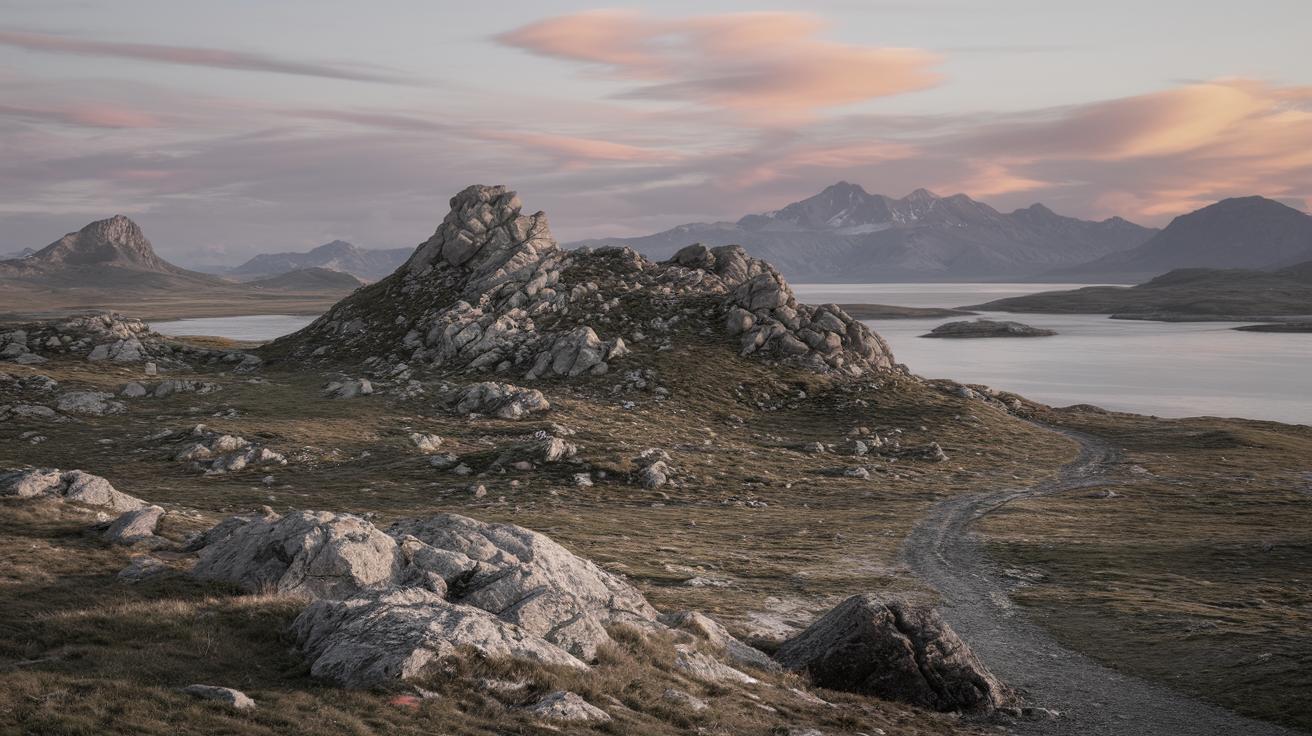
The Unique Challenges of Filming on Location
Filming on location provides filmmakers with opportunities to enhance authenticity, leverage natural beauty, and embed local culture into their narratives. However, these advantages are accompanied by unique challenges, such as unpredictable weather, complex logistics, and intricate bureaucracy. This article explores the allure and obstacles of filming in real-world locations, offers strategies for success, and highlights notable triumphs in on-location cinema. Additionally, we will delve into how technology and innovation are transforming on-location filming, offering solutions for the future. Finally, we will discuss how AI streamlines the process, ensuring filmmakers can capture reality while overcoming the inherent challenges.
The Allure of Authentic Scene Setting: Where Cinema Meets Reality
Authenticity Breeds Immersion 🎬
Filming on location has long been a staple in creating compelling visual storytelling. Authentic scene settings provide a richness and depth that studio sets can rarely match. By capturing real-world elements, filmmakers can transport viewers more convincingly into the story’s universe, delivering a sense of realism and immersion that resonates deeply with audiences. This authenticity can be seen in the textured walls of a centuries-old building or the rugged landscape that offers its own narrative to the unfolding drama.
Furthermore, the tangible presence at a location breathes life into scenes, infusing them with genuineness that amplifies emotional impact. When actors engage with their environment authentically, their performance often reflects a more profound connection to the material, enriching the storytelling process. Authentic scenes thus become conduits that heighten the audience’s engagement, drawing them deeper into the narrative.
Nature’s Scenic Beauty 🌿
One of the primary attractions of on-location filming is the opportunity to harness nature’s inherent beauty. Lush landscapes, dramatic weather formations, and stunning vistas provide a backdrop that no green screen or studio design can replicate. Nature adds a layer of authenticity and visual splendor that captivates viewers, augmenting the cinematic experience with awe-inspiring grandeur.
Moreover, filming in natural settings allows filmmakers to capture the light and shadow interplay organically, creating mesmerizing visuals that are inherently unique to the time and place. This reliance on genuine environmental conditions introduces a dynamic element that enriches the film’s aesthetic, offering surprises that serendipitously enhance the visual narrative.
Local Texture and Cultural Nuance 🏙️
Filming on location also allows filmmakers to incorporate the local texture and cultural nuances that bring stories to life. The architecture, landscapes, and people of a particular place add specific characteristics to a film that can’t be easily replicated or faked. This local authenticity enhances the narrative, providing layers of meaning and context that deepen the film’s overall impact.
Furthermore, integrating local elements into a film offers a window into diverse cultures and traditions, enriching the viewing experience. When a narrative is rooted in its setting, it fosters a universality that can bridge cultural differences, offering audiences worldwide a chance to connect with and understand experiences outside of their own.
A Platform for Storytelling 📜
The intrinsic backgrounds found in real locations often become characters themselves. These settings can heavily influence the story’s direction and mood, offering filmmakers a versatile canvas to weave their narrative. By grounding a film in a genuine location, filmmakers are gifted with built-in context and backstory, all of which add depth and resonance to the plot.
The connections these locations create between characters and their environment can be pivotal to the storyline, shaping their journeys and interactions. Such grounding ensures the narrative feels organic and believable, enhancing the audience’s emotional investment in the film’s world.
The Power of Sound 🎶
Beyond visual appeal, filming on location also embraces the natural soundscapes that add to the narrative’s authenticity. The subtle ambient noises of a city in motion, the serene sounds of a forest, or the intimidating roar of the ocean play crucial roles in immersing audiences, contributing to the overall atmosphere of the film.
Incorporating these real-world audio elements enriches the viewer’s sensory experience, providing clues about the environment and complementing the visual storytelling. When done well, the natural sounds captured on location can be as influential as the scenes themselves, deepening the viewers’ connection to the story.
The Obstacles of Location Filming Adventures
Nature’s Unpredictable Script ❄️☀️
While the natural world provides stunning backdrops, its unpredictability poses a considerable challenge for filmmakers. Weather changes, from sudden storms to unanticipated sunshine, can cause significant delays, alter shooting schedules, or even necessitate a change in location entirely.
Directors and crew must remain flexible and ready to adapt, often needing contingency plans to manage nature’s whims. These unforeseen changes can lead to increased costs and extended timelines, testing the resilience and creativity of any film production team.
Navigating the Bureaucracy Maze 🗃️
Filming on location often involves navigating a complex web of legalities and permissions, liaising with local authorities, and managing community relationships. Obtaining filming permits can be time-consuming, with multiple layers of approval required that vary significantly from place to place.
This bureaucratic dance necessitates a thorough understanding of local regulations and often requires hiring local legal experts to ensure compliance. Failure to secure the right permits can result in delays, fines, or even the shutdown of the production.
Logistical Labyrinth 🗺️
Coordinating the logistics of filming on location involves moving cast, crew, equipment, and supplies—an arduous task, especially in remote or challenging environments. Transportation and accommodation need to be well-planned to minimize costs and disruptions.
Ensuring that all equipment is safely transported and arrives on time is critical, requiring meticulous planning and coordination. In remote locations, availability of resources such as electricity, internet, and other essentials complicates filming, necessitating additional support and ingenuity to overcome these challenges.
Cultural Crossroads: Building Rapport and Local Cooperation 🤝
Filming in diverse locales also requires building trust and cooperation with local communities. Understanding and respecting local customs, traditions, and sentiments are crucial for fostering positive relationships that can facilitate smoother production.
Engaging with local talent and crew further enhances integration, bringing authenticity and cultural nuance to the film. Careful consideration of cultural sensitivities and active community involvement ensure ethical practices and promote goodwill, contributing to the project’s overall success.
Unexpected Extras: Budgeting for the Unforeseen 💸
Budgeting for on-location shoots requires a cushion for the unforeseen. Fluctuations in currency exchange rates, political climates, and unforeseen logistical changes can escalate costs beyond initial projections. Filmmakers must have a flexible budget strategy with contingencies to manage these uncertainties.
Accurate and responsible budgeting is essential, involving a comprehensive understanding of potential pitfalls and proactive measures to address them, thus keeping the production on track and financially viable.
Strategies for Success in Location Filming
Location Scouting 📍
Thorough and strategic location scouting is crucial to any successful on-location film project. Scouting not only identifies ideal spots that align with the creative vision but also assesses practical considerations like accessibility, infrastructure, and permission requirements.
Working closely with location scouts who understand the local environment ensures that the locations chosen complement the film’s narrative, while logistical and legal concerns are addressed proactively.
Navigating Filming Permissions 📜
Securing filming permissions involves comprehensively understanding the regulatory landscape and engaging with local authorities early in the planning process. Establishing clear communication channels with regulatory bodies can expedite the process, preventing costly delays.
Liaising with experienced local fixers or production service companies familiar with the region’s requirements can significantly streamline this aspect, ensuring compliance with legal standards and facilitating smoother operations.
Adapting to Weather Conditions 🌦️
Weather adaptations are part of the reality of on-location filming. Incorporating flexible scheduling and contingency plans can mitigate the disruption caused by unexpected weather changes. Investing in accessible weather monitoring technologies ensures real-time updates and forecasts that aid quick decision-making.
Producers need to factor in alternative scenes or backup schedules that can be executed in varying weather conditions, maintaining productivity despite nature’s mood swings.
Triumphs and Transformative Experiences 🏆
1. “Lawrence of Arabia” (1962):
One of the most iconic examples of location filming is “Lawrence of Arabia,” which captivated audiences with its sweeping desert landscapes. Filmed primarily in Jordan, the production faced countless challenges related to extreme weather conditions and grueling logistics in remote desert locations.
Despite these obstacles, the breathtaking visuals of the Arabian desert significantly contributed to the film’s epic scale, earning numerous accolades and solidifying its place as a classic in cinema history.
2. “The Revenant” (2015):
“The Revenant,” known for its harsh and authentic depiction of wilderness survival, was filmed in isolated locations across Canada and Argentina. The crew battled frigid temperatures and demanding terrains, capturing the relentless beauty and brutality of nature.
Director Alejandro González Iñárritu’s commitment to natural lighting and authentic settings resulted in a powerful, immersive experience that garnered critical acclaim and highlighted the narrative’s intense, raw emotion.
3. “Apocalypse Now” (1979):
Francis Ford Coppola’s “Apocalypse Now” is legendary for its chaotic on-location shoot in the Philippines, where the production faced numerous challenges, including political instability, adverse weather, and logistical nightmares.
Despite these hurdles, the film’s poignant portrayal of the Vietnam War immersed audiences in a surreal, haunting environment, demonstrating the transformative power of authentic location filming.
The Role of Technology and Innovation in On-Location Filming
🌐 Digital Scouting Platforms:
Digital scouting platforms revolutionize location selection, allowing filmmakers to explore potential sites virtually before visiting. These platforms offer valuable insights into geographical features, accessibility, and visual appeal, streamlining the scouting process.
Virtual tours and comprehensive databases provide a wealth of information, saving time and resources, and ensuring precise alignment with creative vision.
📸 Drone Photography:
Drone technology has expanded the boundaries of on-location filming, offering filmmakers stunning aerial perspectives and previously inaccessible camera angles. Drones capture dynamic shots efficiently, adding innovative visual elements to the film.
This technological advancement enables directors to explore creative possibilities and enhance storytelling with captivating visuals that elevate the audience’s experience.
📱Mobile Apps and Software Solutions:
Mobile apps and software solutions have become indispensable tools for managing on-location filming logistics. From real-time weather updates to scheduling and crew coordination, technology improves efficiency and communication.
These tools facilitate better decision-making, allowing production teams to respond swiftly to changes, ensuring smoother operations and minimizing disruptions.
🗺️ GIS Mapping Software:
Geographic Information System (GIS) mapping software offers precise geographical data and analytics, supporting location analysis, transportation planning, and logistics coordination.
These insights play a crucial role in optimizing the movement of equipment and personnel, reducing logistical hurdles, and ensuring a successful on-location shoot.
🔍 Advanced Imaging Technologies:
Advances in imaging technologies, such as 4K and HDR video, enable filmmakers to capture unparalleled detail and vibrancy in complex locations. These technologies provide greater flexibility in post-production, enhancing the film’s visual quality and storytelling potential.
This pursuit of high-resolution, high-fidelity imagery enriches the cinematic experience, bringing audiences closer to the film’s core.
🔄 360-degree Cameras:
360-degree cameras offer immersive filming experiences, allowing filmmakers to capture comprehensive views of their surroundings. These multi-angle perspectives offer unique storytelling opportunities, transporting viewers directly into the heart of the location.
This technology fosters a new dimension of engagement, strengthening audience connection by presenting a multidimensional narrative experience.
Streamlining On-Location Filming with AI
Artificial Intelligence (AI) is becoming an increasingly valuable asset in on-location filming, offering solutions that streamline processes and optimize operations. AI-driven predictive analytics provide insights into weather patterns, peak filming times, and logistical efficiency, facilitating informed decisions.
AI also aids in talent management, script breakdowns, and budgeting predictions, allowing for more accurate and resourceful planning. By automating repetitive and labor-intensive tasks, AI frees up creative professionals to focus on the artistic aspects of filmmaking, improving productivity and creativity.
Furthermore, AI’s application in visual effects enhances on-location shots with seamless digital integration, ensuring the film maintains its authentic appeal while benefiting from technological advancements. These innovative solutions underscore the transformative power AI holds in overcoming the challenges of location filming, paving the way for more efficient and impactful cinematic endeavors.
Next Steps 🛤️
| Aspect | Highlights |
|---|---|
| The Allure of Authentic Scene Setting | Authenticity, nature’s beauty, local culture, storytelling enhancement, sound integration. |
| Obstacles of Location Filming | Unpredictable weather, bureaucracy challenges, logistical complexity, cultural engagement. |
| Strategies for Success | Effective scouting, securing permissions, adapting to weather. |
| Triumphs and Transformative Experiences | Film examples: “Lawrence of Arabia,” “The Revenant,” “Apocalypse Now.” |
| Technology and Innovation | Digital platforms, drones, mobile tools, GIS mapping, advanced imaging, 360-degree cameras. |
| Streamlining with AI | Predictive analytics, task automation, AI in visual effects. |