The Role of Cultural Diversity in Films
Over the decades, cultural diversity in films has become a critical topic of discussion within the entertainment industry and beyond. This blog post explores the historical journey and progression towards diversity in films, highlighting the significance of inclusive storytelling and the challenges that persist in achieving true representation. We dive into the systemic biases, lack of opportunities, and industry resistance that hinder diversity, especially regarding gender and LGBTQ+ representation. We also examine the steps being taken, such as diversity-focused programs and the crucial roles that filmmakers and studios play in fostering an inclusive environment. Furthermore, we discuss specific films that have successfully sparked conversations around diversity, proving that it transcends being a mere trend.
Historical Context and Progress in Film Diversity 🕰️
The history of film is a testament to society’s evolving perception of cultural diversity. Initially, the industry was dominated by homogeneous narratives that favored specific demographic groups, thus marginalizing voices from different cultures and backgrounds. Early cinema largely reflected a Eurocentric worldview, often sidelining minority stories.
Gradually, as the civil rights movement and subsequent waves of social activism took root, films began to reflect society’s changing attitudes towards race, gender, and identity. This shift laid the foundation for more culturally diverse storytelling, although progress was painstakingly slow. It’s crucial to acknowledge both the strides made in inclusive storytelling and the long path yet to be treaded towards equal representation.
The Impact of Inclusive Storytelling: Representation Matters
Inclusive storytelling plays a pivotal role in film by validating the identities and experiences of underrepresented groups. By featuring diverse characters and narratives, films can challenge stereotypes, foster understanding, and promote empathy across cultural divides. Authentic representation can affirm viewers’ identities and provide them with a sense of belonging and visibility in media.
Moreover, when films resonate with a broad audience, they enhance cultural appreciation and mutual respect. This form of representation becomes a powerful tool to combat prejudice, as it humanizes stories and characters typically marginalized in mainstream dialogues, leading to a more equitable cultural landscape.
Challenges and Barriers in Diversity and Representation: Overcoming Industry Inertia
Systemic Bias 🚧
Despite progress, systemic bias remains a significant barrier in the film industry, which often perpetuates narrow interpretations of cultural diversity. Behind-the-scenes reluctance to embrace true inclusivity has often translated into limited opportunities for minority creators and subjects.
Lack of Opportunity 🔍
Historically, minority filmmakers find themselves facing fewer opportunities compared to their counterparts. A lack of access to resources, platforms, and networks creates an uneven playing field, curbing the potential of diverse storytelling.
Industry Resistance to Change 🏛️
Industry resistance further complicates this dynamic. Many studios remain tied to traditional, lucrative formulas that resist innovation. As gatekeepers to mass media, they maintain skewed narratives that fail to explore the full spectrum of human stories.
Gender Diversity 👭
Gender diversity within the film industry is a critical issue as women and gender minorities continue to fight for an equitable presence in both narratives and production roles. Despite gradual progress, persistent disparities highlight the need for robust initiatives aimed at achieving true gender parity.
LGBTQ+ Inclusivity 🏳️🌈
LGBTQ+ inclusivity challenges the binary norms traditionally present in cinema. The emergence of queer cinema has provided platforms for stories outside heteronormative frameworks, though tokenism and stereotyping still undermine authentic representation.
Initiatives and Solutions for a More Inclusive Film Industry 🌱
🎬 Diversity-focused Programs:
To address these issues, several diversity-focused programs have emerged, aiming to elevate minority voices and talent in the film industry. Initiatives such as workshops, grants, and mentorships offer underrepresented creators vital platforms that enrich the filmmaking landscape.
These programs not only provide tangible support but also encourage systemic changes within the industry. By fostering an environment where diverse talents can thrive, they contribute significantly towards the dismantling of barriers to full representation. As more stakeholders understand the value in diverse storytelling, the pathways to achieving substantive change become clearer and more robust.
Filmmakers’ Role and Studio Responsibility in Representation of Diverse Voices
The Filmmakers’ Role 🎬
Filmmakers hold significant influence in championing diversity by choosing narratives that challenge prejudices and embrace inclusivity. Creators who prioritize authentic storytelling can effectively spotlight marginalized stories, invigorating the industry with fresh perspectives that resonate globally.
Studio Responsibility 🏢
Beyond filmmakers, studios have a collective responsibility to champion diversity by supporting projects that reflect an array of experiences and identities. By committing to equitable representation, studios can lead by example, motivating industry-wide progress.
Diverse Casting 👥
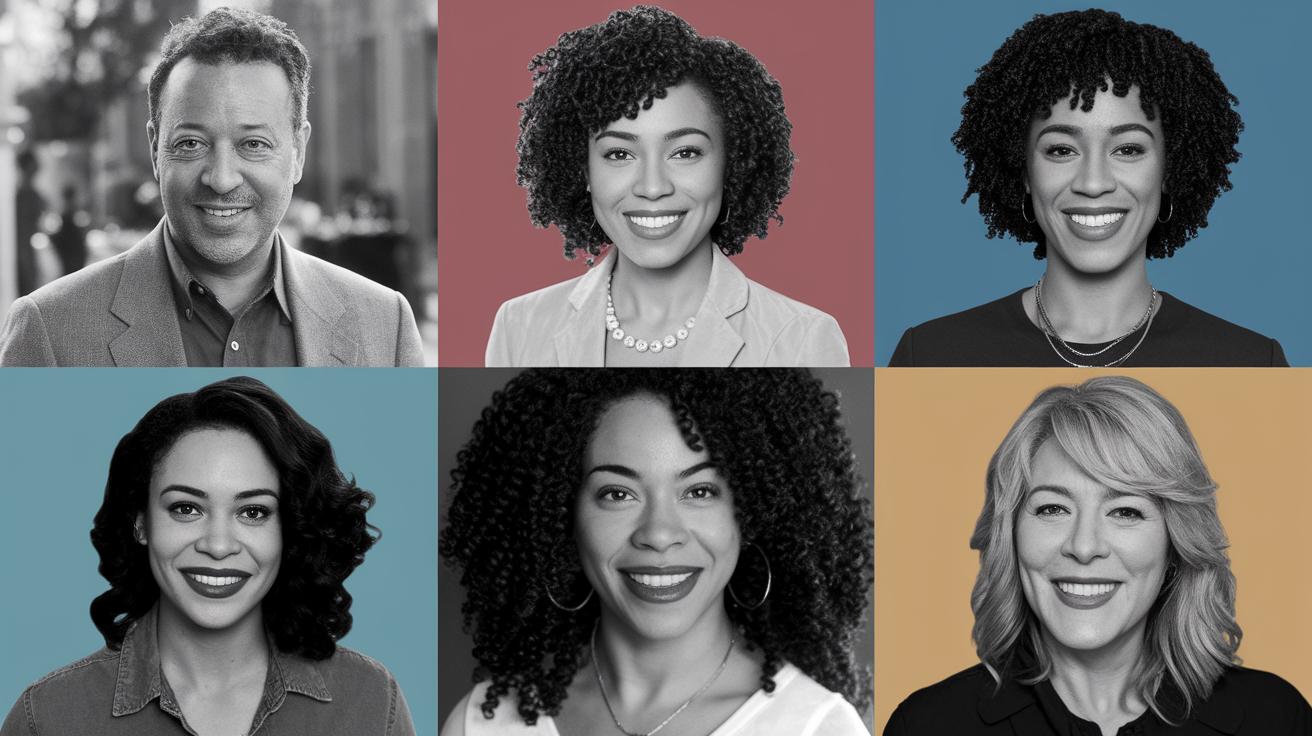
Diverse casting remains a cornerstone of inclusive filmmaking. By prioritizing representation in front of the camera, casting directors can reflect the multicultural world we live in, while also providing opportunities for actors from varied backgrounds to shine.
Diversity Behind the Camera 📽️
Diversity should also extend behind the camera. Ensuring that diverse voices are equally present in writing, directing, and producing enriches the creative process and leads to more authentic and resonant storytelling.
Films Caused Resonance and Discussion
“Tangerine” (2015)
“Tangerine,” directed by Sean Baker, showcased transgender lives in Los Angeles with surprising depth and sensitivity. Shot on an iPhone, the film demonstrates how independent filmmakers can use ingenuity to tell compelling stories about marginalized communities, shedding light on transgender representation.
“A Fantastic Woman” (2017)
This Chilean film by Sebastián Lelio tells the poignant story of a transgender woman navigating grief and discrimination after her partner’s death. By casting a transgender actress in the leading role, the film received acclaim for its authentic portrayal and shifted conversations about gender representation.
“Get Out” (2017)
Jordan Peele’s “Get Out” ingeniously employs horror to explore racial tensions, offering both thrills and socio-political commentary. Its groundbreaking success underscores the demand for films that challenge racial stereotypes while engaging mass audiences in critical dialogues about race.
“The Rider” (2017)
Chloé Zhao’s “The Rider” portrays the life of Native American rodeo rider Brady Jandreau, offering a rare cinematic insight into reservation life. The film blurs narrative and reality, illustrating the profound impact of authenticity and cultural empathy in storytelling.
It’s not Just a Trend 🔄
Diversity in film is not merely a fleeting trend or a check-box exercise for augmented social alignment; it’s a critical evolution that enriches cultural narratives, shapes societal norms, and catalyzes global understanding. It underscores the media’s power to influence perceptions and shatter paradigms.
As audiences continue to demand richer, more varied stories, the impetus lies with every facet of the film industry to embrace diversity as a non-negotiable ethos. The continued celebration of diverse narratives will inspire future generations of creators to innovate and expand the boundaries of film, pushing towards an inclusive future where every story finds its voice.
| Key Area | Summary |
|---|---|
| Historical Context | Exploration of early homogeneity in film and the slow evolution towards diversity through social movements. |
| Inclusive Storytelling | Significance of representation in fostering understanding and promoting broad cultural appreciation. |
| Challenges | Outline of systemic biases, lack of opportunities, and industry resistance impacting diversity goals. |
| Initiatives | Highlight on diversity-focused programs helping to elevate minority voices in the industry. |
| Filmmakers & Studios | The crucial role of filmmakers and studios in enabling authentic narratives and diverse casting. |
| Resonant Films | Analysis of key films that sparked discussion about gender, race, and LGBTQ+ representation. |
| Sustainability | Emphasizing diversity not as a trend but as vital to cultural enrichment and narrative expansion. |